SMP Basics8 min read
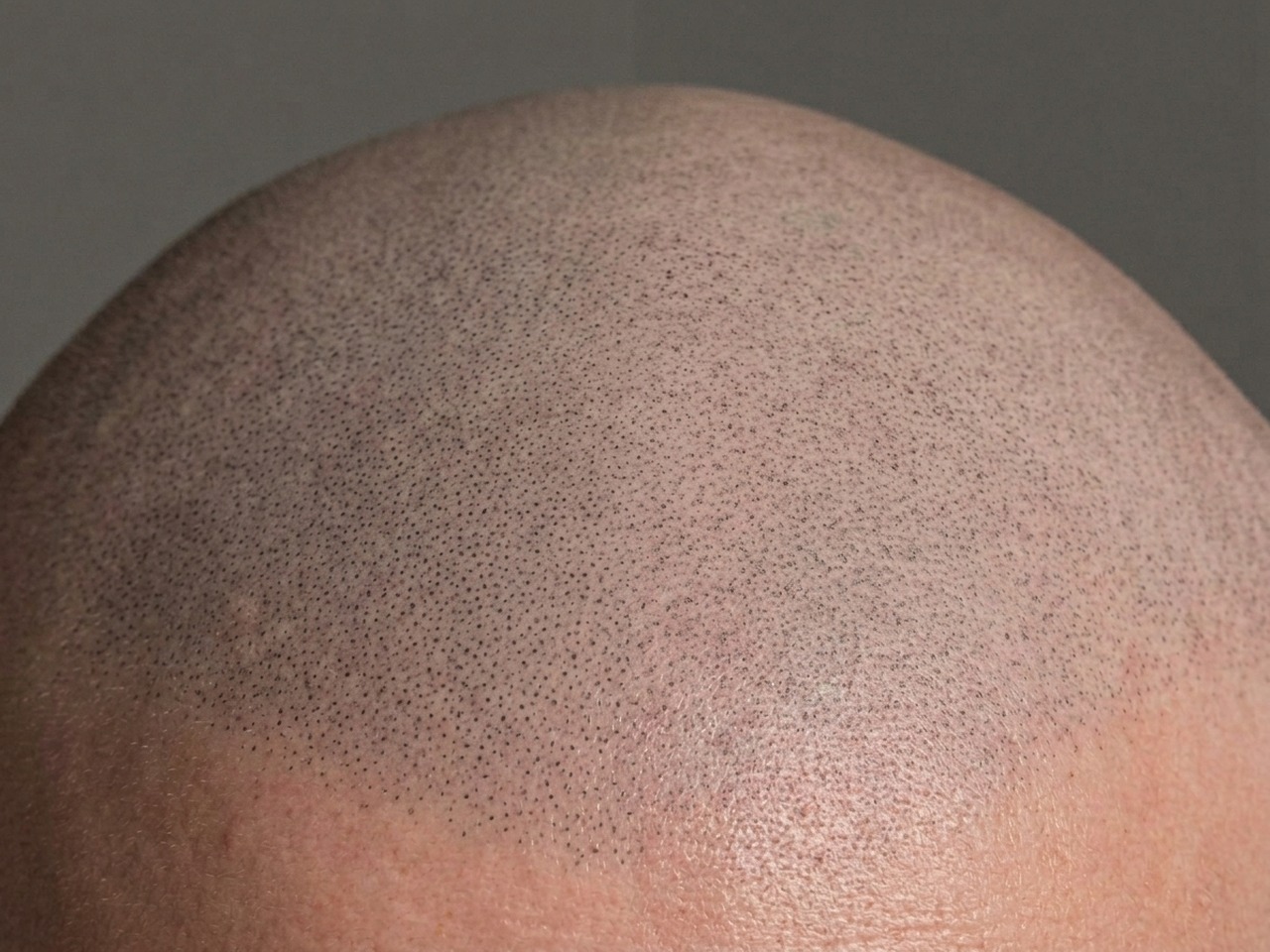
What is Scalp Micropigmentation?
A plain-English explanation of SMP, how it differs from a hair transplant, and why dot density and pressure control decide whether a hairline reads as real.
Read moreTechnique, safety standards, equipment and studio detail — written by the artist who performs every treatment at VOID SMP.
A plain-English explanation of SMP, how it differs from a hair transplant, and why dot density and pressure control decide whether a hairline reads as real.
Read more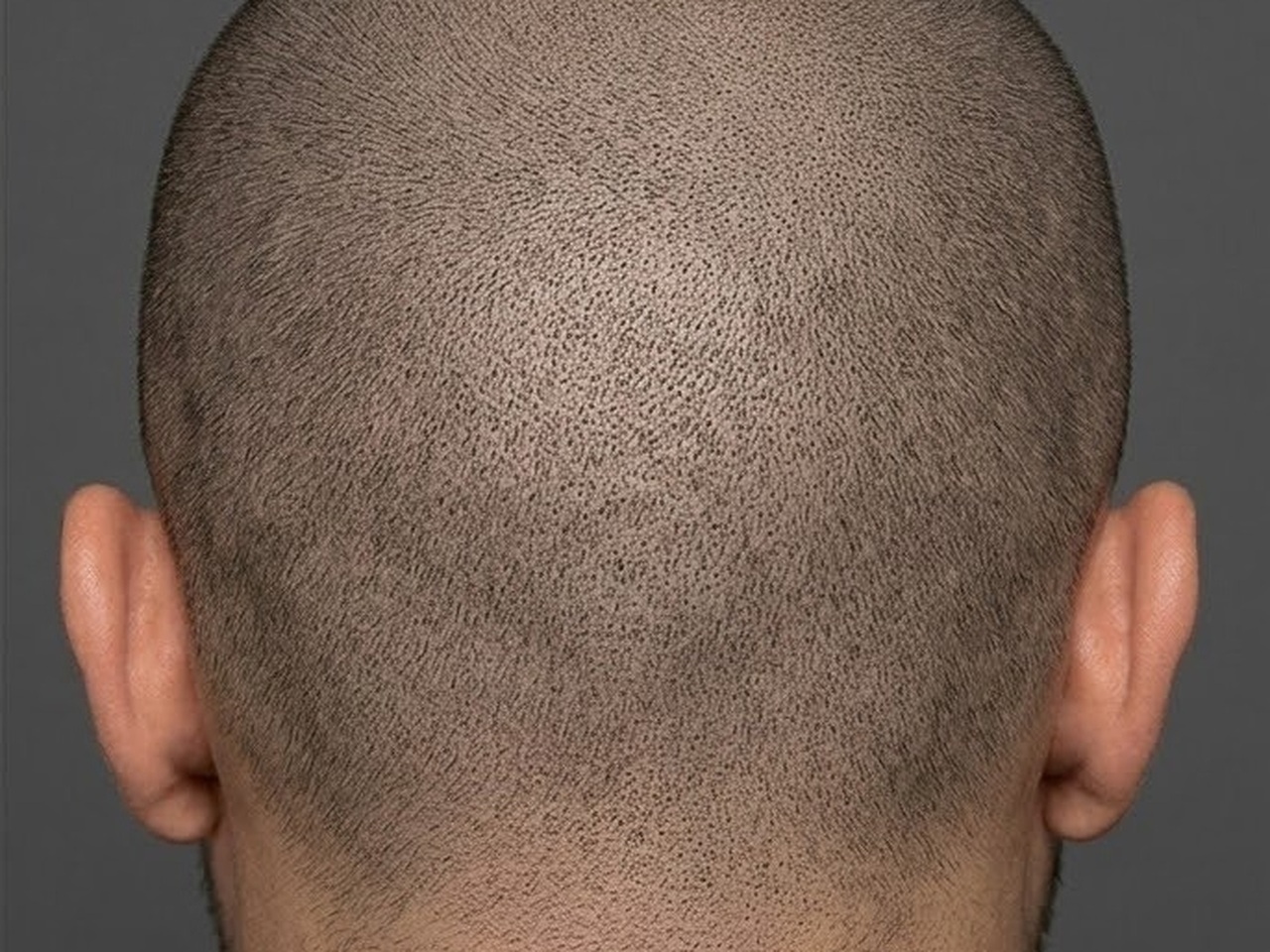
Sterilisation, single-use cartridges, EPA-registered Super Sani-Cloth surface disinfection and bloodborne pathogen protocol — exactly how a hospital-grade SMP studio is run.
Read more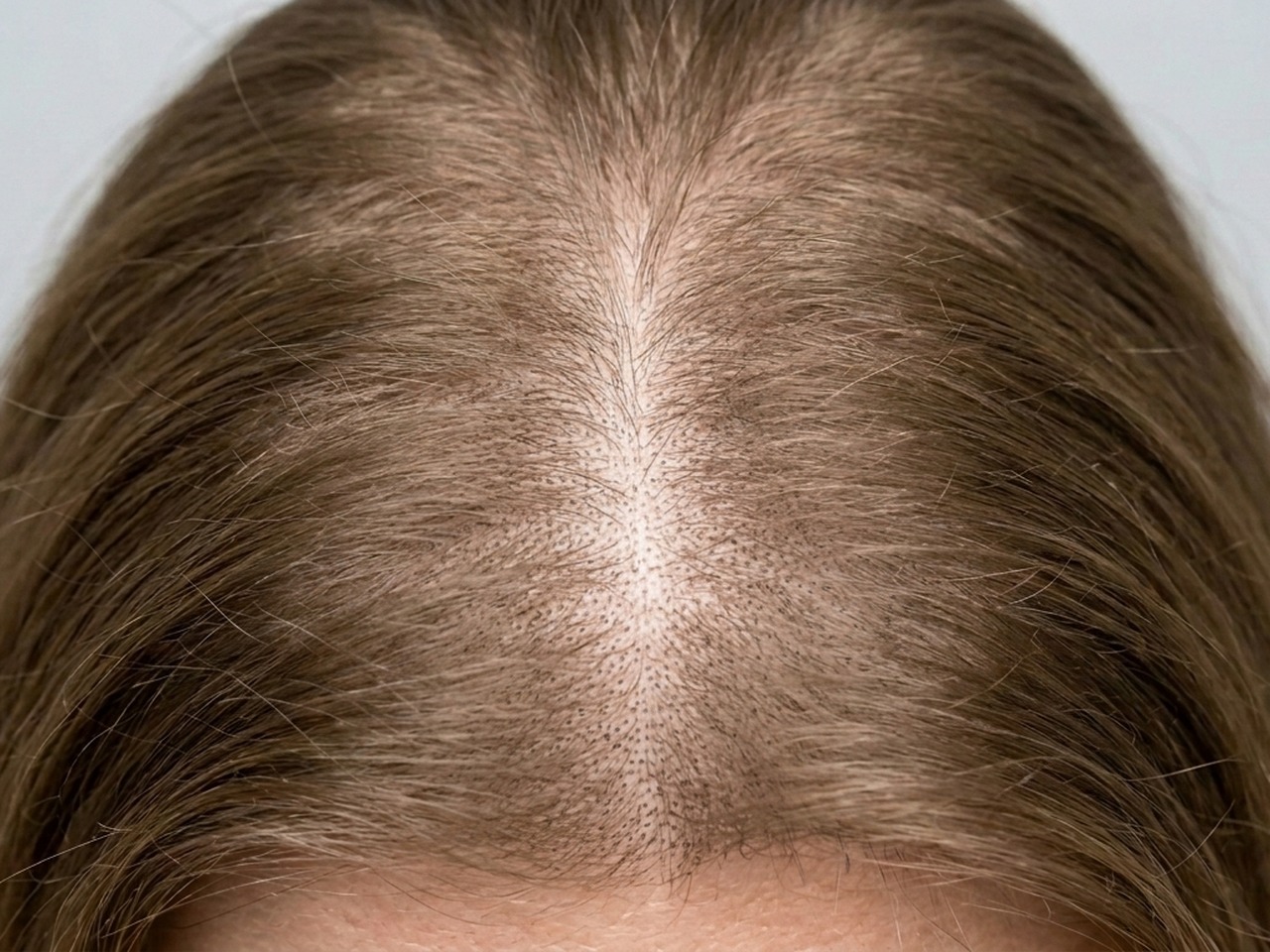
Folicule carbon black pigment, 5PM Shadow cartridges in 0403, 06 and 08, and Cheyenne and Mast rotary machines — the exact reason a healed result stays grey instead of turning blue.
Read more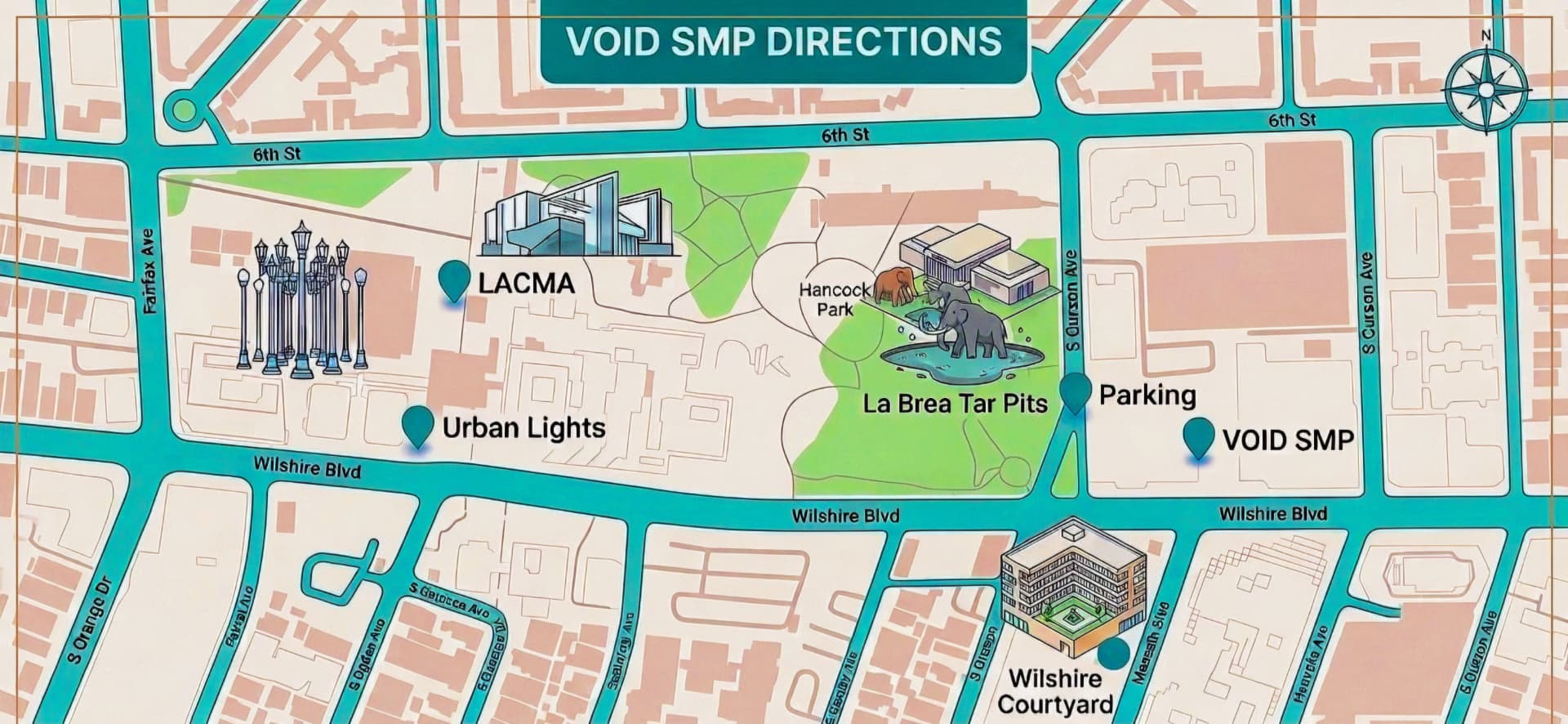
Directions, landmarks and parking for VOID SMP at 5757 Wilshire Blvd Unit Suite# 11 — in the Miracle Mile, minutes from LACMA and the Tar Pits.
Read more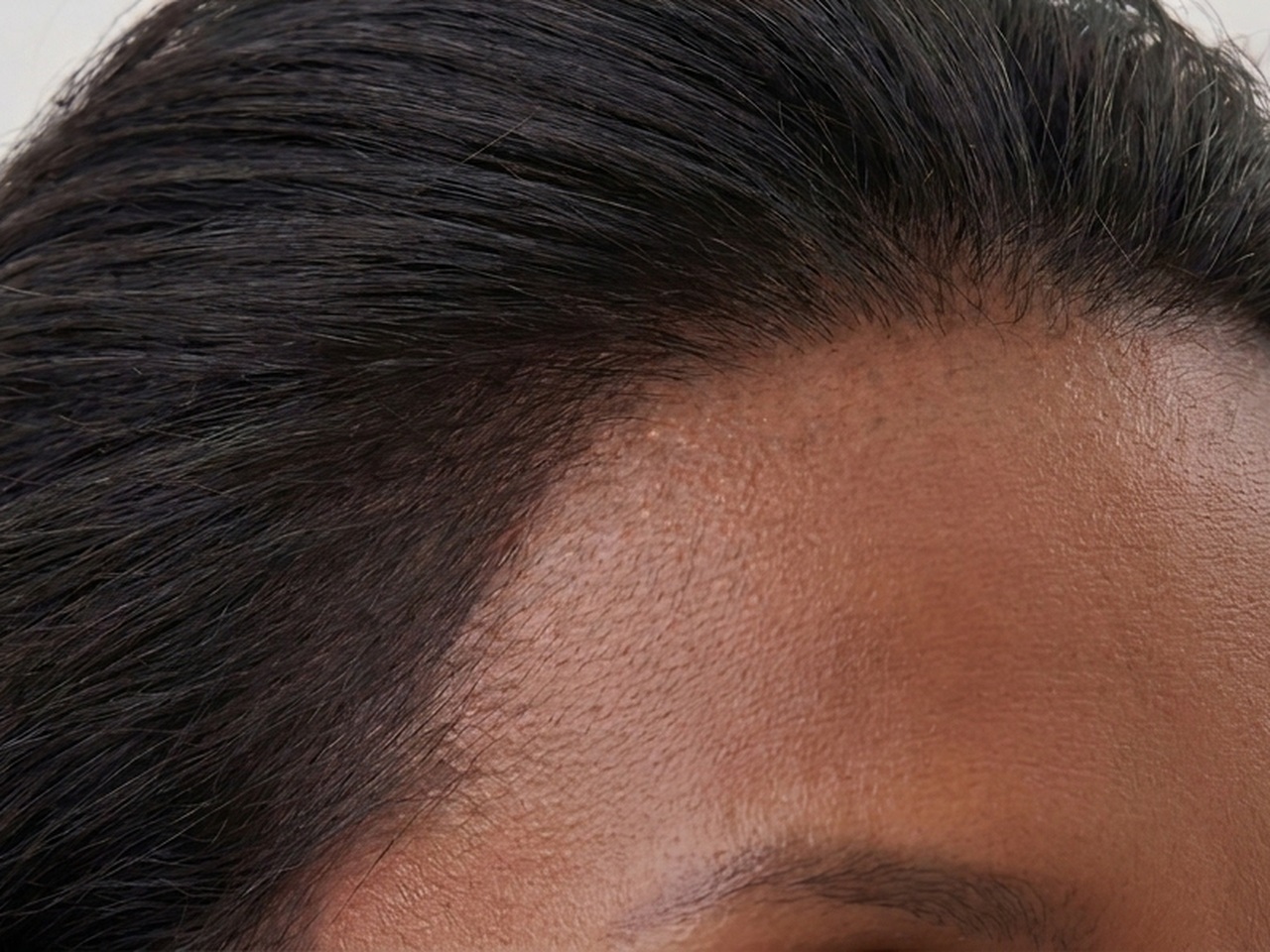
How irregular density, angle variation and consistent hand pressure create a three-dimensional illusion — and the honeydew and watermelon practice behind it.
Read more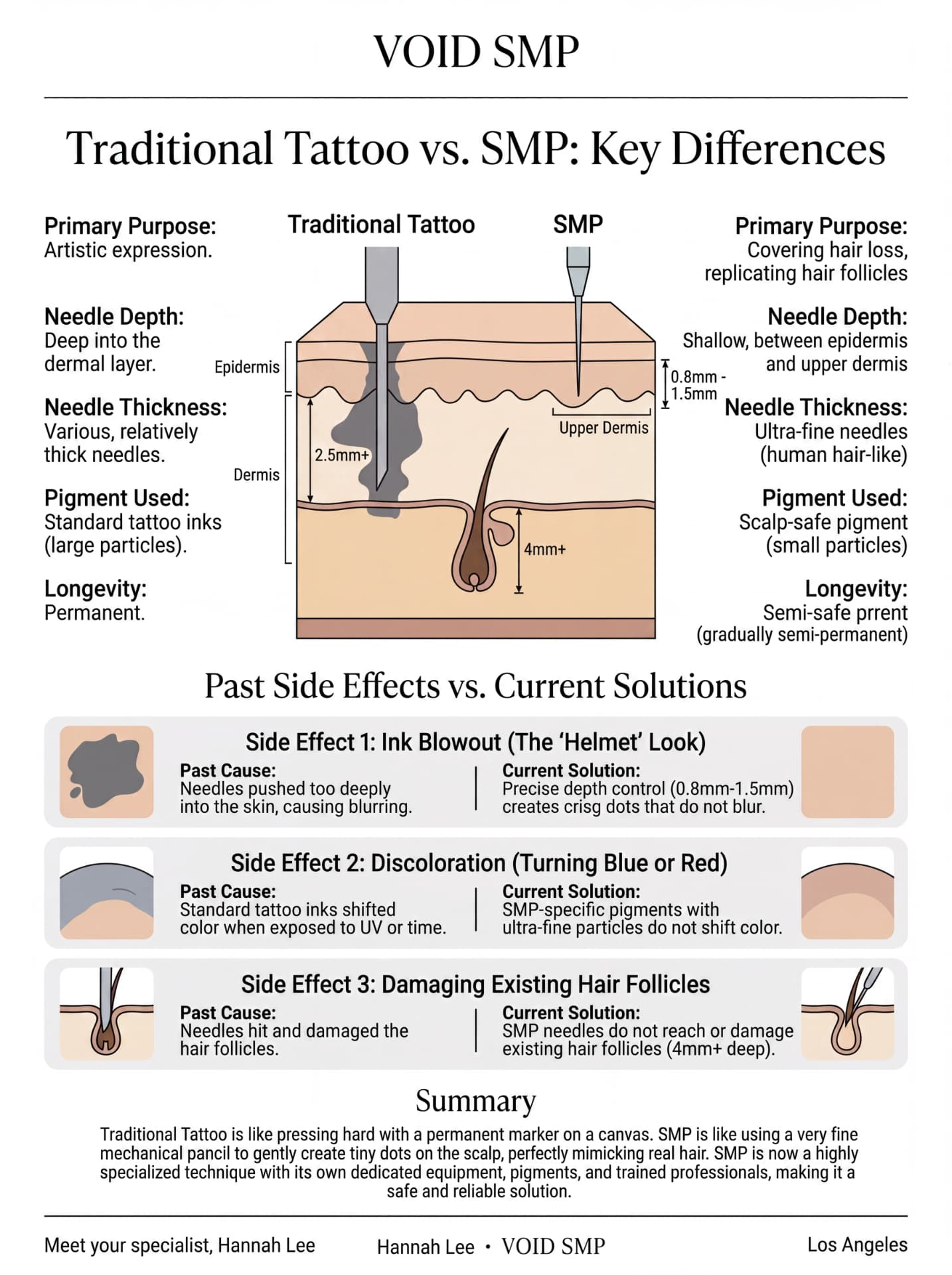
A non-invasive cosmetic treatment that replicates natural follicles with pigment. How it works, who it suits, and how it differs from a traditional tattoo.
Read more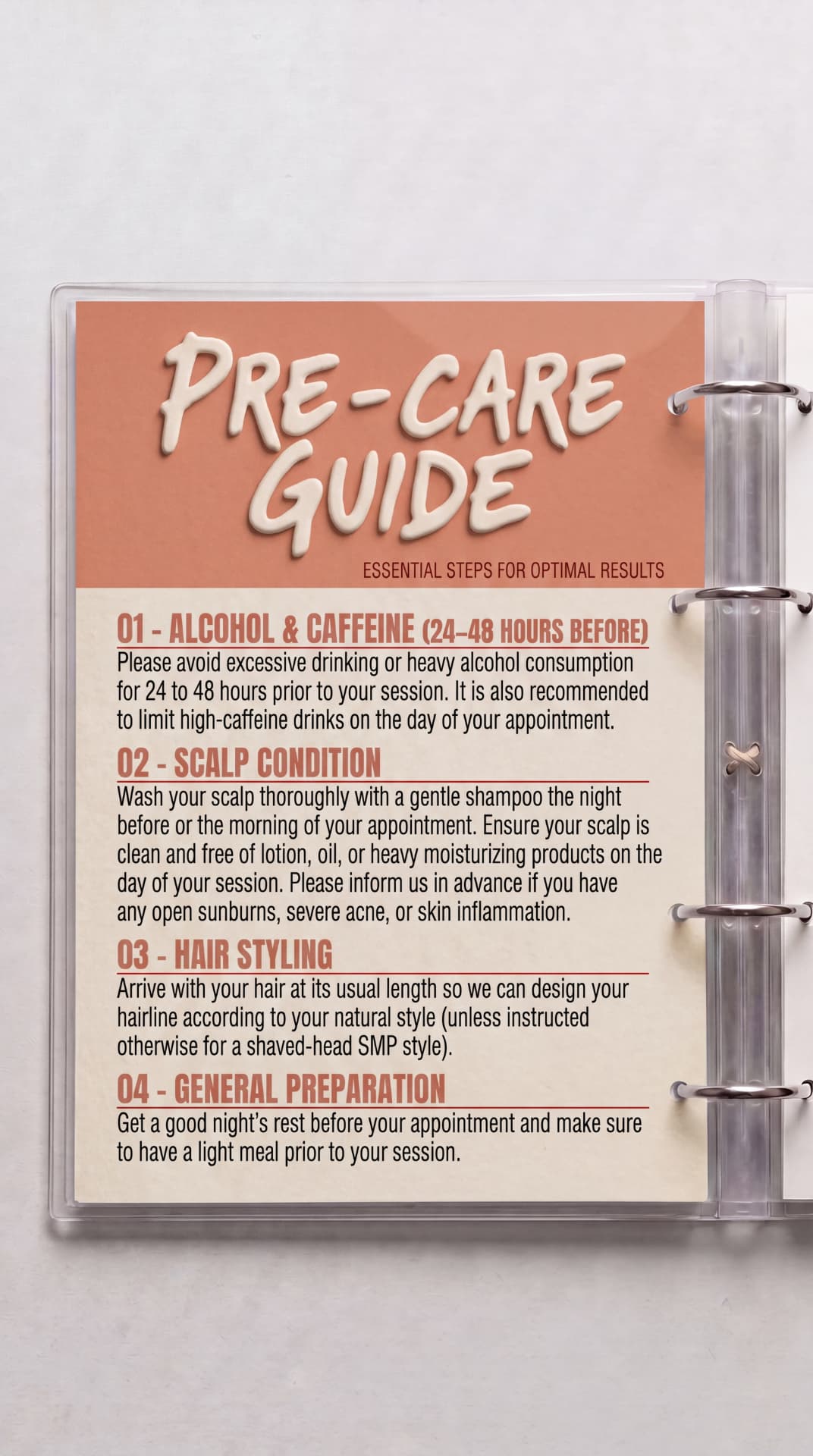
Pre-care that protects your result: scalp hydration, what to avoid in the 48 hours before, and what happens during consultation and custom hairline mapping.
Read more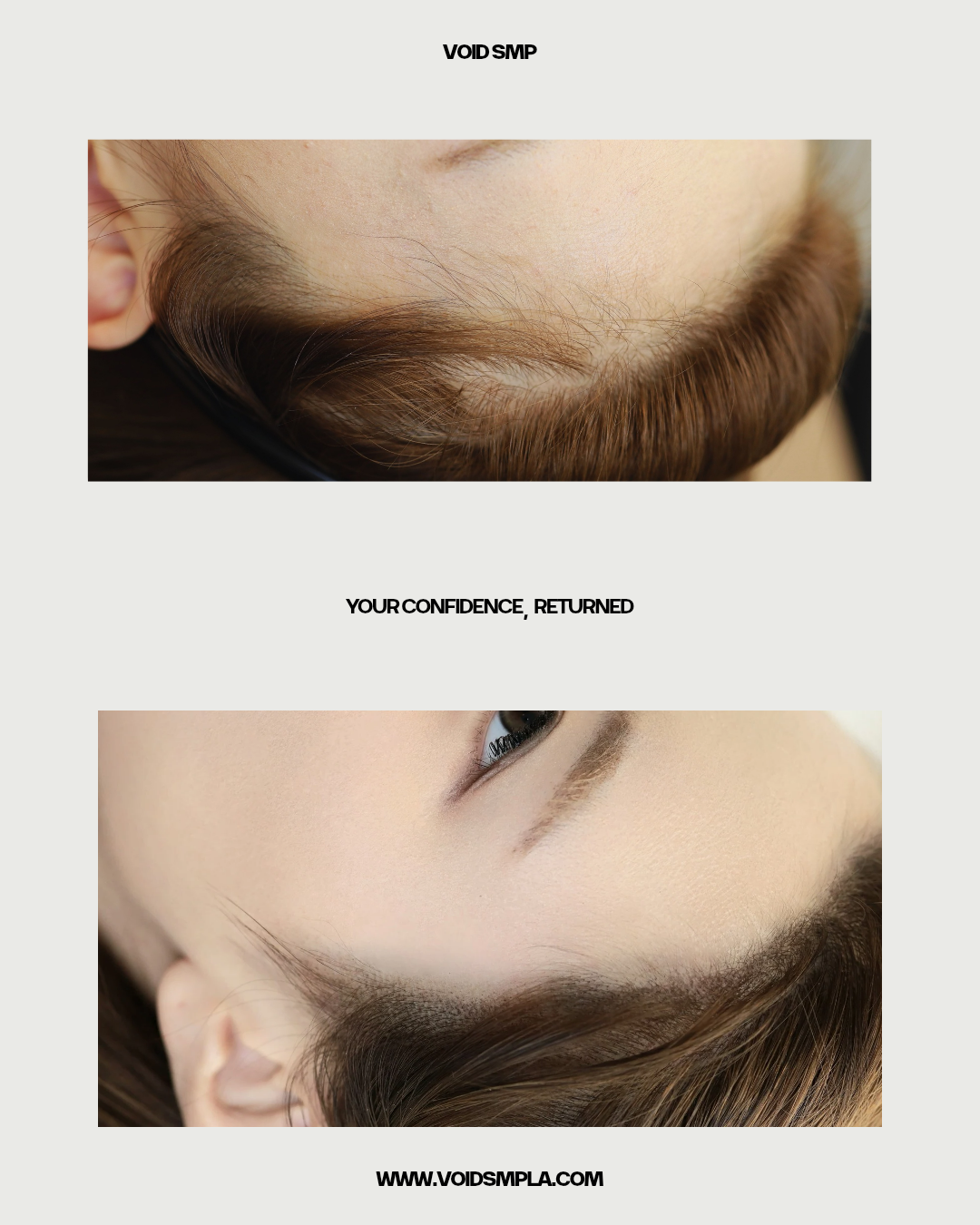
A strict day-by-day healing timeline for the first week, the do's and don'ts that protect pigment retention, and how touch-ups keep the work sharp for years.
Read more
Premium pigments, advanced rotary machines and medical-grade hygiene, delivered one client at a time in a private Miracle Mile studio on Wilshire Boulevard.
Read moreAn honest comparison of corticosteroid injection for alopecia areata and scalp micropigmentation — what each one can and cannot do, and why SMP is the instant solution for patches you want gone today.
Read moreHow scalp micropigmentation for women closes the shadow in a widening part — no shaving, no surgery, no daily fibre powders.
Read moreThe wind test, the pool test, the hands-in-your-hair test — why a hairline tattoo and a sharp buzz cut SMP beat a bad toupee or a bald combover every time.
Read moreA matte, healthy scalp is a routine, not luck. Anti-shine washing, the right bald head moisturizer, and why SPF is the single biggest factor in how long your SMP lasts.
Read moreMost male hair thinning is genetic sensitivity to DHT, a hormone that shrinks follicles over time. Here is what that means in plain language.
Read moreThe first signs of balding are a receding temple line, a widening part, and hair that no longer holds a style — all visible long before a bald spot appears.
Read moreStress can absolutely cause hair loss — but a specific, usually temporary kind. It does not cause pattern baldness. Here is the difference.
Read moreNo. Hats do not cause pattern baldness. Only extremely tight, constant tension over years can cause a separate condition called traction alopecia.
Read moreDHT is a potent hormone made from testosterone. In genetically sensitive follicles it triggers miniaturisation — the root mechanism behind most balding.
Read moreSMP is a non-surgical treatment that places follicle-sized pigment points into the upper scalp to recreate the look of hair. A plain-language explainer.
Read moreWell-executed SMP is undetectable at conversation distance. Bad SMP is obvious — and the difference comes down to dot size, depth, angle and hairline edge design.
Read moreSMP typically holds four to six years before clients want a refresh. It softens in tone rather than disappearing — and a single session restores it.
Read moreSMP healing is quick and undramatic: mild redness for a day or two, slight darkening, light flaking around day four to seven, then settling.
Read moreMost clients rate SMP three to four out of ten — a light electric tingling. It is noticeably less painful than a tattoo because the needle works shallower.
Read moreA transplant moves real hair and needs donor supply and surgery. SMP adds no hair but removes the visible contrast immediately, with no downtime.
Read moreFibers wash out daily and fail in rain and sweat. Hair systems need constant maintenance. SMP is fixed in the skin and needs nothing daily.
Read moreShaving is free and honest — but it leaves a bare scalp with no hairline. SMP gives the shaved look a defined edge and the density of real stubble.
Read moreSMP in Los Angeles is quoted per case, not per hour — driven by the treated area, number of sessions, scar tissue and skin type. Here is how quotes are built.
Read moreSMP quotes differ because studios are selling different things: session counts, pigment quality, artist experience and guarantee terms are rarely comparable.
Read moreFor the right candidate, yes: a finite course of sessions replaces years of daily concealers and self-consciousness with a result that needs nothing daily.
Read moreThe right hairline follows your bone structure, not a template: rounder faces suit a slightly higher, sharper line; longer faces suit a lower, softer one.
Read moreThere are three routes to a lower hairline: surgical advancement, transplant grafting, and SMP. Only one is non-surgical and immediate.
Read moreSMP blends FUT strip scars, FUE dot scars and trauma scars by matching the pigment pattern of the surrounding scalp so the scar stops catching the eye.
Read moreWomen do not shave for SMP. Pigment is placed between existing hairs to reduce scalp show-through at the part, temples and crown.
Read moreA complimentary consultation — virtual or in person — covers hairline design, pigment matching, session count and a tailored estimate.