Corticosteroid Injections vs. SMP for Alopecia Areata: What Actually Works?
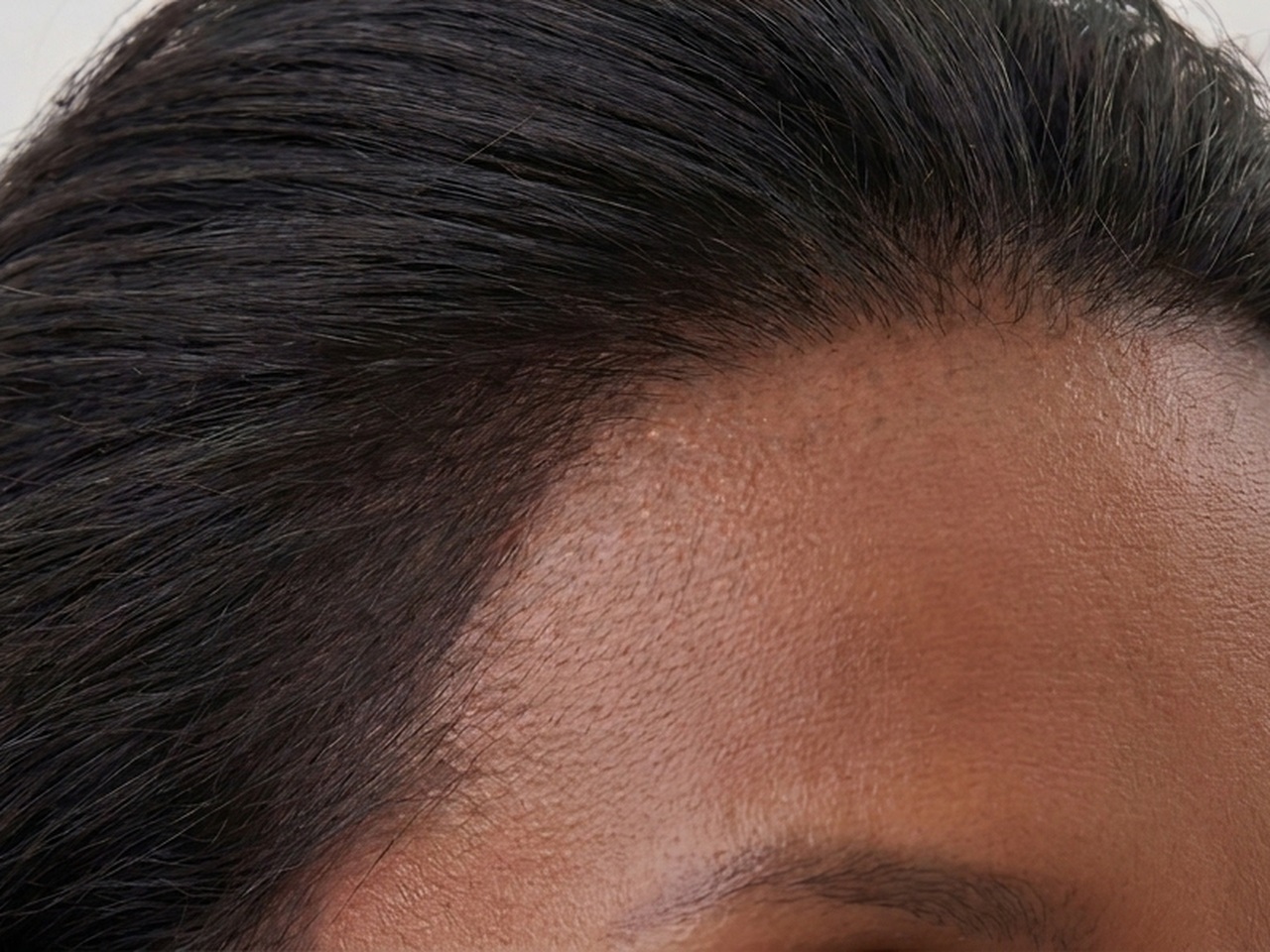
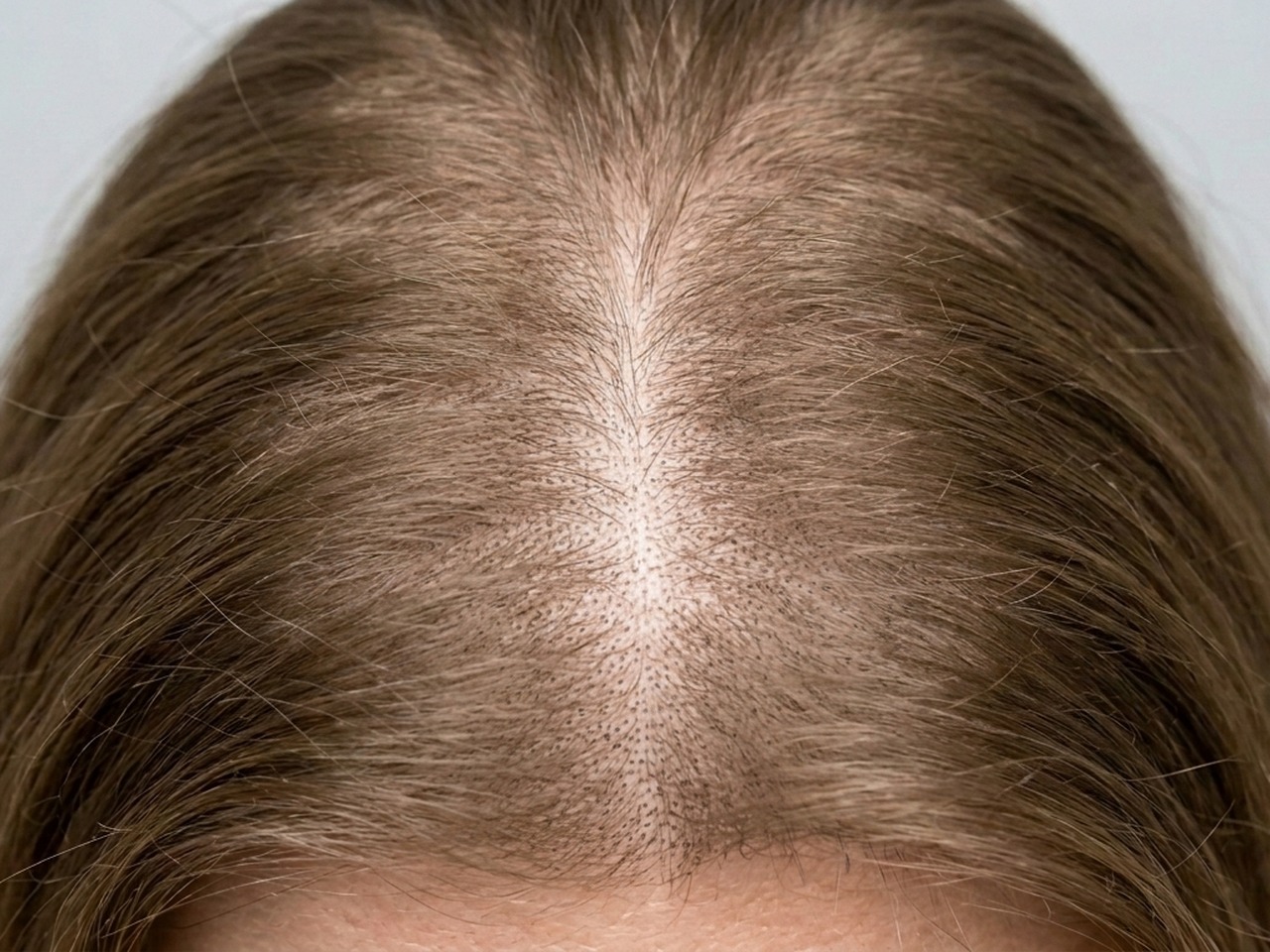
Alopecia areata rarely announces itself politely. Most people find it in a mirror, a barber's chair or a photograph — a smooth, coin-sized patch that was not there last month. The second discovery is usually worse than the first: nobody can tell you with certainty why it happened, or whether it will come back.
If a dermatologist has offered you a corticosteroid injection for alopecia areata, you are weighing a genuine medical option against a genuinely uncomfortable one. This article is an honest look at what steroid injection for hair loss does well, where it falls short, and how scalp micropigmentation fits alongside it as an instant solution that hides patches seamlessly — without touching a single existing hair.
What corticosteroid injections actually do
Alopecia areata is an autoimmune condition: the immune system mistakenly attacks healthy hair follicles and pushes them out of their growth cycle. Intralesional corticosteroid injections suppress that local immune response, giving dormant follicles a window in which to restart. It is a legitimate, dermatologist-administered first-line treatment, and for some patients it works well.
It is also, for many people, an ordeal. The medication is delivered through a series of injections directly into the affected scalp, typically repeated every four to six weeks. Patients commonly describe a sharp sting per injection site, and a single patch can require many sites in one visit.
- Repeated visits: usually every 4–6 weeks, over months
- Discomfort: multiple direct scalp injections per session
- Possible side effects: skin thinning (atrophy), small dents, colour changes at injection sites
- No guarantee: response varies widely, and regrowth can be partial
- Relapse is common: the underlying autoimmune condition is not cured
The gap nobody warns you about: the waiting
Even when injections work, they work on the follicle's timeline, not yours. Regrowth is measured in months, and the first hairs back are often fine and unpigmented. During that stretch the patch is still visible — through a wedding, a job interview, a beach weekend, a school run.
That waiting period is where most of the emotional damage happens. Clients tell us about the hat they never take off, the specific side of the room they stand on, the group photos they leave. Medicine treats the follicle. It does not treat the year you spend hiding.
How SMP solves the visual problem immediately
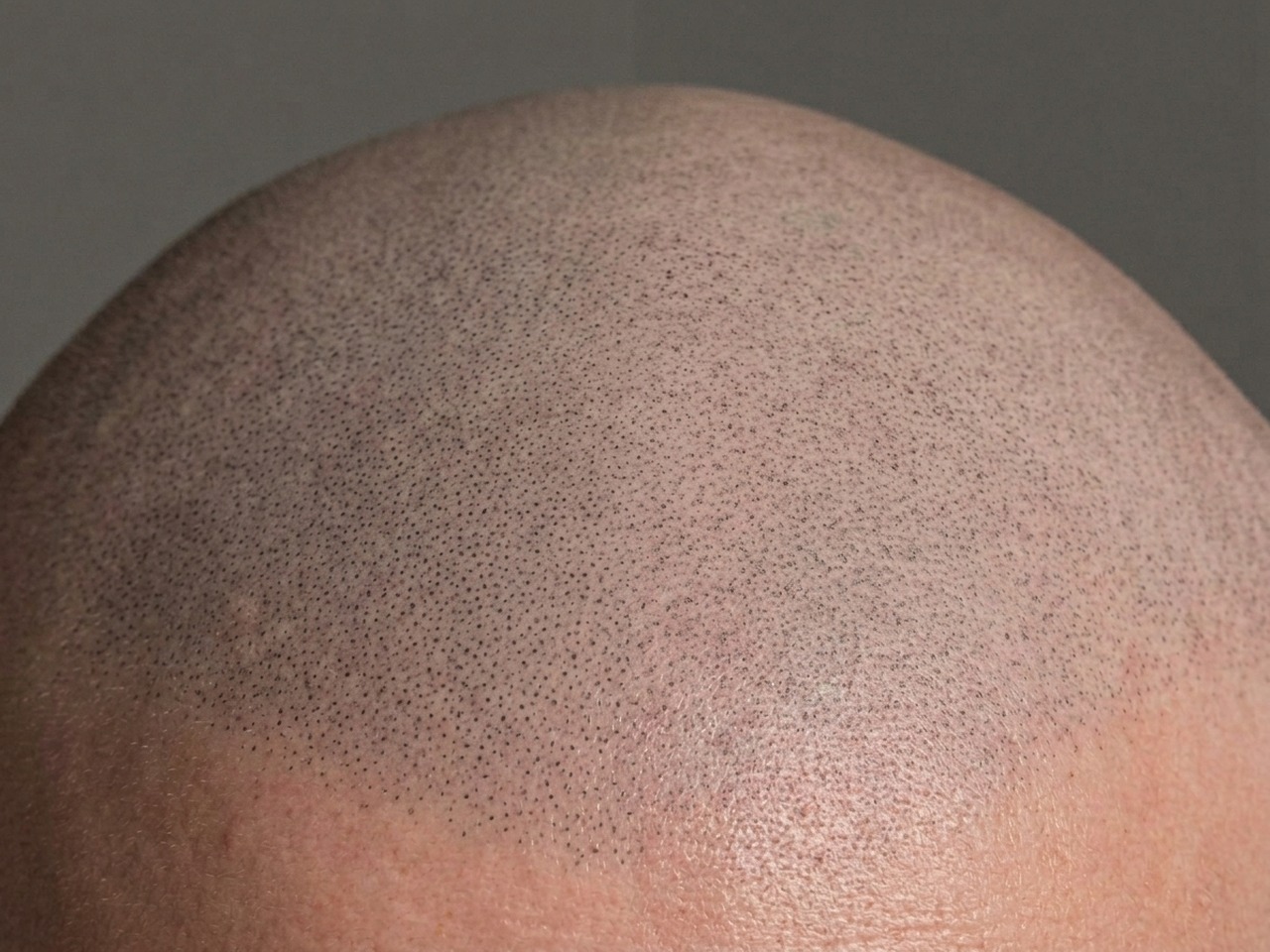
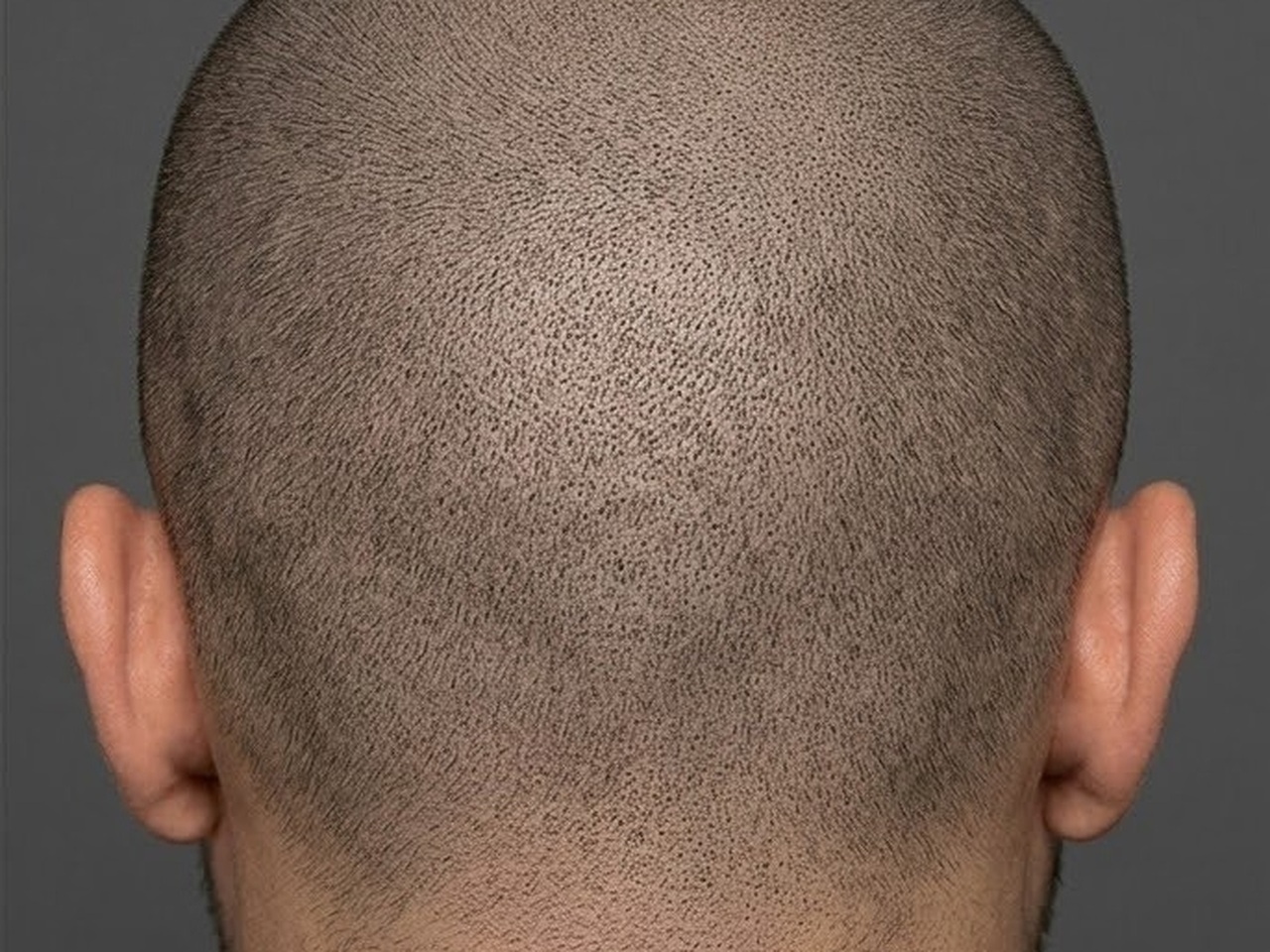
Scalp micropigmentation does not treat alopecia areata and does not claim to. It solves the other half of the problem: visibility. By placing thousands of individually angled micro-impressions of carbon-based pigment into the upper dermis, SMP recreates the exact optical signature of a shaved or densely rooted follicle — so the bare patch stops reading as bare.
The change is immediate. You walk out of your first session with the contrast between skin and hair already broken up, and each subsequent session refines the density until the treated zone is indistinguishable from the hair surrounding it.
Nothing existing is damaged
SMP is applied between and around the hair you still have. There is no shaving requirement for patchy alopecia, no incision, no medication and no interference with future regrowth. If a treated patch does grow back naturally, the pigmented shadow beneath simply reads as extra density.
It works with your treatment, not against it
Many VOID SMP clients continue dermatologist-led care while their scalp looks complete again. SMP is cosmetic camouflage that sits comfortably alongside a medical plan — and for people who have finished treatment without full regrowth, it is often the last piece that closes the chapter.
Side by side: injections vs. SMP
- Speed: injections take months to show regrowth; SMP shows a visible result the same day
- Certainty: injection response is unpredictable; SMP coverage is designed and verified before you leave
- Comfort: repeated needle injections into the scalp versus a shallow, pain-managed 0.6–0.8 mm impression depth most clients rate as very tolerable
- Longevity: injections need ongoing repetition; SMP is long-lasting with an occasional refresh every few years
- Effect on existing hair: injections aim to restore it; SMP leaves it completely untouched
Why alopecia work is unforgiving — and how VOID SMP handles it
Camouflaging a defined patch is the hardest thing in SMP. A border that is too regular reads as a shape; a shade that is too dark reads as a stain; the wrong pigment chemistry reads, eventually, as blue.
Every alopecia case at VOID SMP is treated as a precision problem rather than a fill job.
- Folicule carbon-based pigment only — zero discoloration, so the work never shifts blue or green as it softens
- 0.6–0.8 mm upper-dermis precision, producing a 3D tailored density gradient instead of a flat block of tone
- Irregular, broken borders that dissolve into surrounding hair rather than outlining the patch
- Every result verified under harsh direct lighting and 10x macro-zoom before the case is called finished
- A 12-month touch-up guarantee, because patches can shift and your coverage should keep up
Who is a good candidate
- You have one or several stable patches you want hidden now, not in eight months
- You have completed or paused medical treatment without full regrowth
- You want a pain-managed, non-surgical option that leaves existing hair alone
- You want alopecia totalis or universalis coverage designed as a complete, natural-looking hairline
- You are done planning your life around a patch
See it on your own head before you commit
You should never have to imagine a result this personal. VOID SMP offers a free Interactive Hairline Studio — a virtual try-on that lets you shape a hairline and density level on screen — plus a free coverage estimate reviewed personally by Hannah Lee.
Hannah Lee is a Certified Master Artist working one client at a time in a private, appointment-only studio on Wilshire Boulevard in Los Angeles. No factory floor, no rotating technicians, no rushed chairs — just an honest assessment of whether SMP is right for your alopecia, and exactly what it would look like if it is.
Book your free consultation at the VOID SMP Los Angeles studio, or try the Interactive Hairline Studio right now and get your free coverage estimate.
Direct answers
Can SMP cure alopecia areata?
No. Scalp micropigmentation is a cosmetic camouflage procedure, not a medical treatment — it does not affect the autoimmune process behind alopecia areata. What it does is remove the visible contrast between bare patches and surrounding hair immediately, which is why many clients use it alongside dermatologist-led care.
Is SMP less painful than a corticosteroid injection for alopecia areata?
Most clients who have had both describe SMP as considerably more tolerable. Steroid injections deliver medication deep into the scalp at multiple sites per visit, while SMP places pigment at a shallow 0.6–0.8 mm with an ultra-fine cartridge, and comfort is managed throughout the session.
Will SMP damage the hair I still have?
No. Impressions are placed in the skin between and around existing follicles. There is no shaving requirement for patchy alopecia, no incision and no medication involved, and future natural regrowth is not blocked.
What happens if a treated patch grows back or a new patch appears?
Regrown hair simply reads as added density over the pigmented shadow. New patches are handled at a refinement visit, and every VOID SMP client is covered by a 12-month touch-up guarantee.
Will the pigment turn blue over time?
Not with the pigment used at VOID SMP. Folicule carbon-based pigment is engineered to soften in tone without shifting hue, which is what prevents the blue or green cast associated with older or ink-based scalp tattoos.