Uncompromising Safety: The Highest Standard of Hygiene for SMP
Scalp micropigmentation breaks the skin barrier. That single fact makes hygiene the most important thing about a studio — more important than its portfolio, its pricing or its interior. A beautiful hairline placed in an unsafe room is not a good outcome.
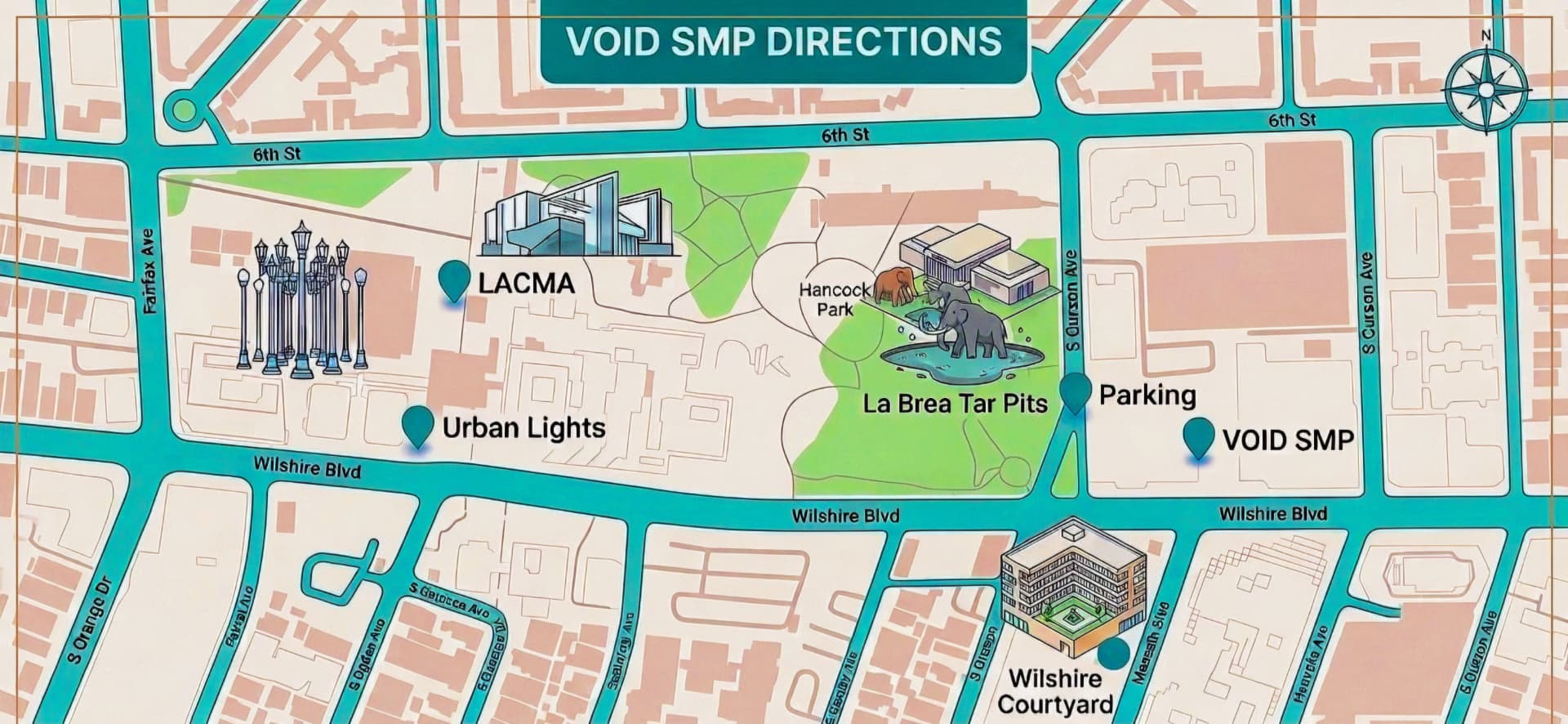
This is a full, unedited account of how the VOID SMP studio in Los Angeles is cleaned, prepared and reset between clients.
A licensed Los Angeles facility
VOID SMP operates as a licensed facility approved by the Los Angeles County Department of Public Health, and the practitioner holds current Bloodborne Pathogens Exposure Control certification. Both are verifiable credentials, and you should ask any studio you consider to show you theirs.
Surface disinfection: Super Sani-Cloth, EPA Reg. No. 9480-4
Every surface in the treatment room is disinfected with Super Sani-Cloth germicidal disposable wipes, registered with the U.S. Environmental Protection Agency under EPA Reg. No. 9480-4. This is the same class of quaternary ammonium and alcohol germicidal wipe used in hospitals and clinical settings.
The wipes are used before setup and again after every single client — never between two clients on a shared cloth, and never re-used on a second surface once opened and applied.
- Treatment chair, headrest and armrests
- Machine body, clip cord and power supply housing
- Work tray, lamp handles, magnification equipment and mirror
- Door handles, counters and any surface touched during the session
Single-use everything that touches you
Needle cartridges are sterile, individually sealed and single-use. They are opened in front of you, used once, and dropped into a sharps container at the end of the session. Nothing that contacts skin or pigment is ever reused on another client.
- Sterile, individually blister-sealed needle cartridges — opened in front of the client
- Disposable pigment cups, decanted fresh for each session
- Barrier film on the machine, cord, lamp and any handled equipment
- Fresh nitrile gloves, changed at every break in the procedure
- FDA-cleared sharps disposal handled by a licensed medical waste service
Before, during and after your session
Before
The room is disinfected and re-barriered, the tray is set with sealed sterile supplies, and the scalp is cleansed and prepped with a single-use antiseptic prep.
During
Gloves change at every interruption. Pigment is never returned to a shared container. Any contaminated item leaves the sterile field immediately rather than at the end of the session.
After
Sharps go to the container, all barriers and disposables are binned, and every surface is wiped again with a fresh Super Sani-Cloth before the room is considered ready. You leave with a written aftercare protocol covering washing, sun exposure, sweating and the first 30 days of healing.
Questions to ask any SMP studio before you book
- Are you a licensed facility with your local health department?
- Is the practitioner currently certified in Bloodborne Pathogens Exposure Control?
- Which EPA-registered disinfectant do you use, and can I see the container?
- Are needle cartridges single-use, and will they be opened in front of me?
- How is sharps and medical waste disposed of?
Direct answers
Is SMP safe?
Yes, when it is performed in a licensed facility with single-use sterile cartridges and EPA-registered surface disinfection. SMP does not use surgery, anaesthesia or medication. The realistic risks are infection from poor hygiene and pigment migration from incorrect depth — both are practitioner-dependent, which is why studio standards matter more than the procedure itself.
How are SMP tools sterilized?
Needle cartridges are not sterilized and reused — they arrive pre-sterilized in sealed single-use blister packs, are opened in front of the client, and go into a sharps container immediately after the session. Machines, cords and the treatment area are protected with disposable barrier film and disinfected between clients with Super Sani-Cloth germicidal wipes (EPA Reg. No. 9480-4), a hospital-grade disinfectant.
Can SMP cause an infection?
The risk is very low with correct studio protocol and correct aftercare. Keep the scalp dry for the first 24–48 hours, avoid heavy sweating, swimming pools and direct sun during initial healing, and follow the written protocol you receive after each session.