What Is DHT and How It Affects Hair Loss
DHT (dihydrotestosterone) is an androgen hormone converted from testosterone by an enzyme called 5-alpha reductase. In follicles that carry the genetic receptor sensitivity, DHT shortens the growth phase and shrinks the follicle a little more with every cycle.
That process — miniaturisation — is the mechanism behind androgenetic alopecia in both men and women.
How DHT actually reaches the follicle
Testosterone circulates throughout the body. Where 5-alpha reductase is present — including in the scalp's sebaceous glands and hair follicles — a portion is converted into DHT, which binds androgen receptors far more strongly than testosterone does.
Binding triggers signals that shorten the anagen (growth) phase. The follicle spends less time growing and more time resting, and each replacement hair emerges thinner. Over ten to fifteen years the visible result is a scalp you can see through.
Why high testosterone is not the issue
Men with balding do not necessarily have more testosterone or more DHT than men who keep their hair. The determining factor is receptor sensitivity, which is inherited from both sides of the family. This is why brothers with identical lifestyles can have completely different hairlines.
What reduces DHT's effect
- 5-alpha reductase inhibitors (prescription) lower scalp DHT and can slow or partially reverse miniaturisation
- Topical minoxidil extends the growth phase without touching DHT
- Ketoconazole shampoos have modest supporting evidence
- No shampoo, supplement or diet meaningfully blocks DHT at the receptor
When the hormone conversation ends
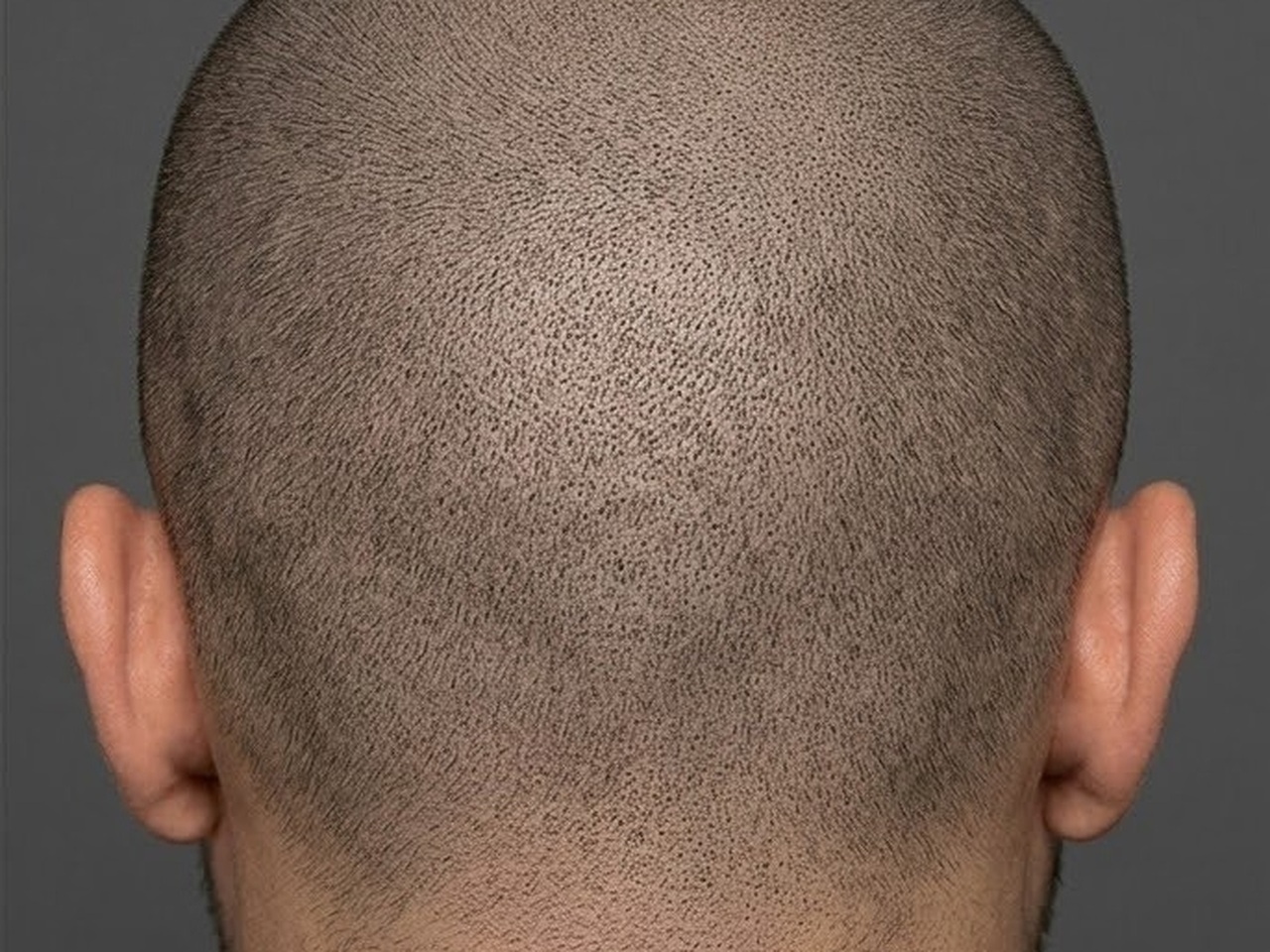
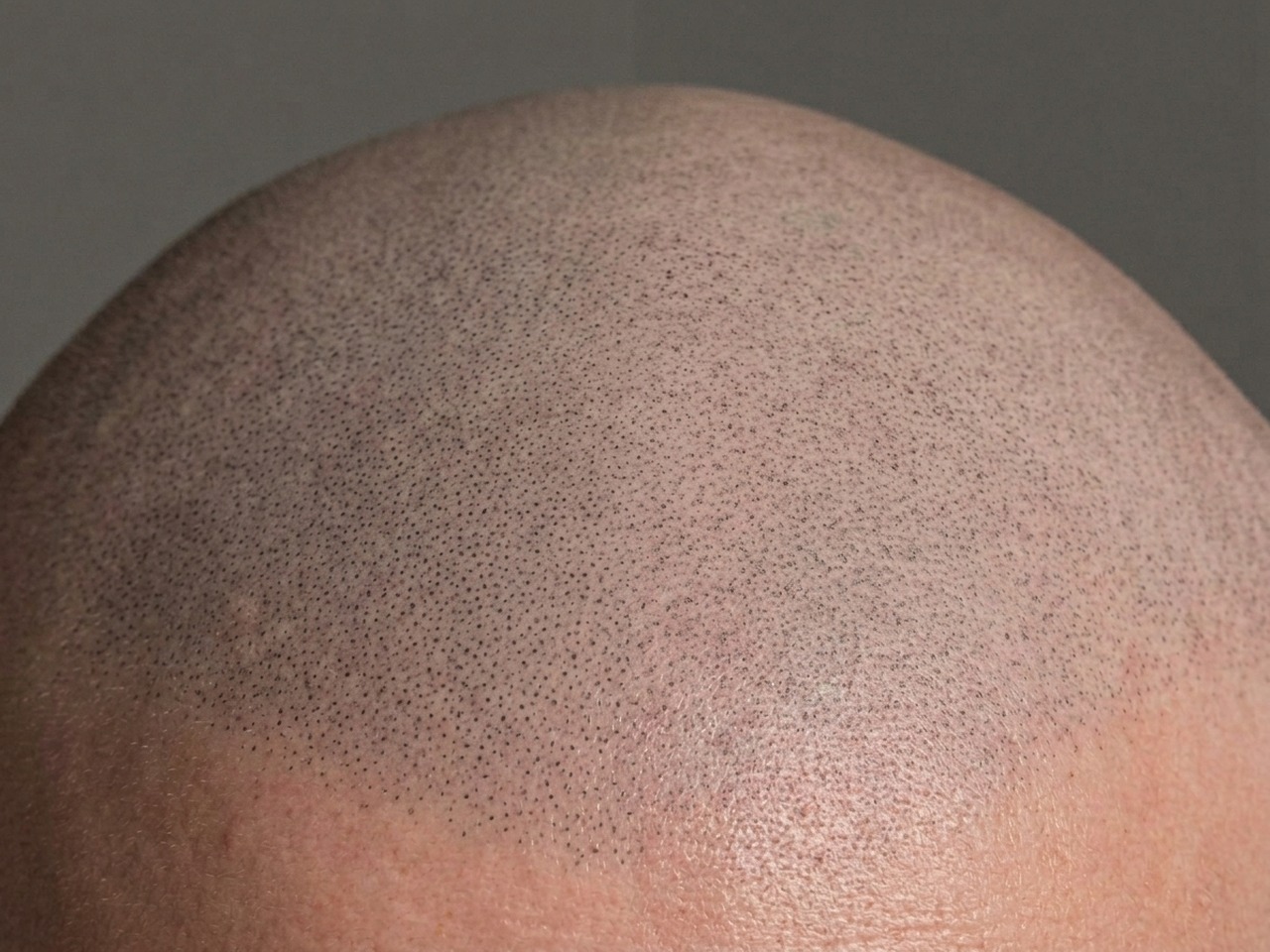
Once a follicle is dormant, hormones are no longer the deciding factor — coverage is. That is where scalp micropigmentation Los Angeles clients choose comes in: thousands of follicle-sized pigment impressions placed at 0.6–0.8 mm rebuild the visual density DHT removed, with no medication and no surgery.
Direct answers
Does DHT affect women too?
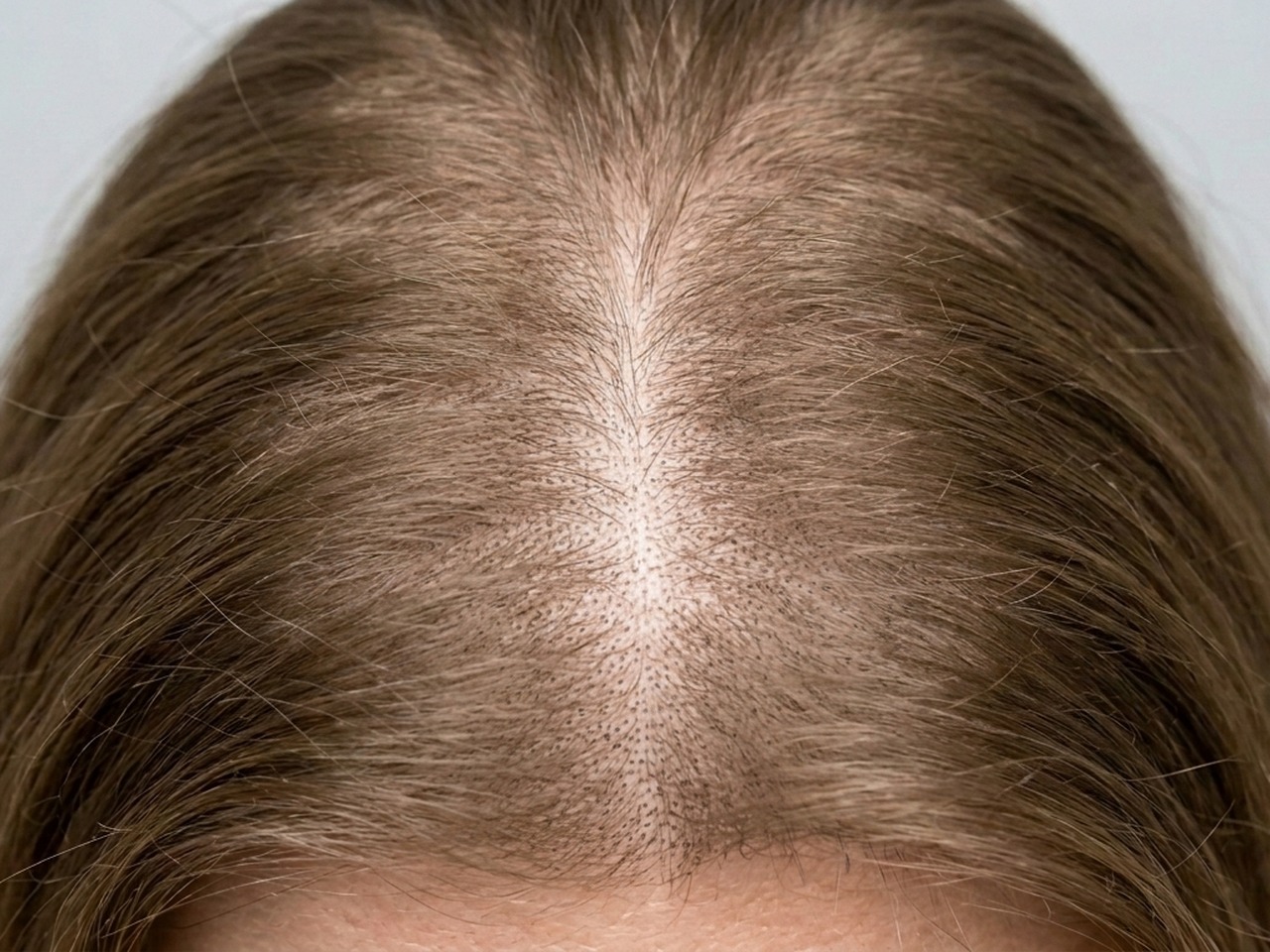
Yes. Female pattern loss follows the same androgen mechanism but usually presents as diffuse thinning and a widening part rather than a receding hairline.
Will blocking DHT regrow lost hair?
It can thicken miniaturised follicles that are still active. It cannot revive follicles that have already closed.
Does SMP interact with finasteride or minoxidil?
No. SMP is entirely topical to the scalp's upper dermis and is routinely combined with medical treatment.
What does a Los Angeles SMP consultation cover?
Pattern assessment, hairline design options, expected session count, healing timeline and a tailored estimate — free of charge, in person or virtually.