Scar Camouflage SMP Explained
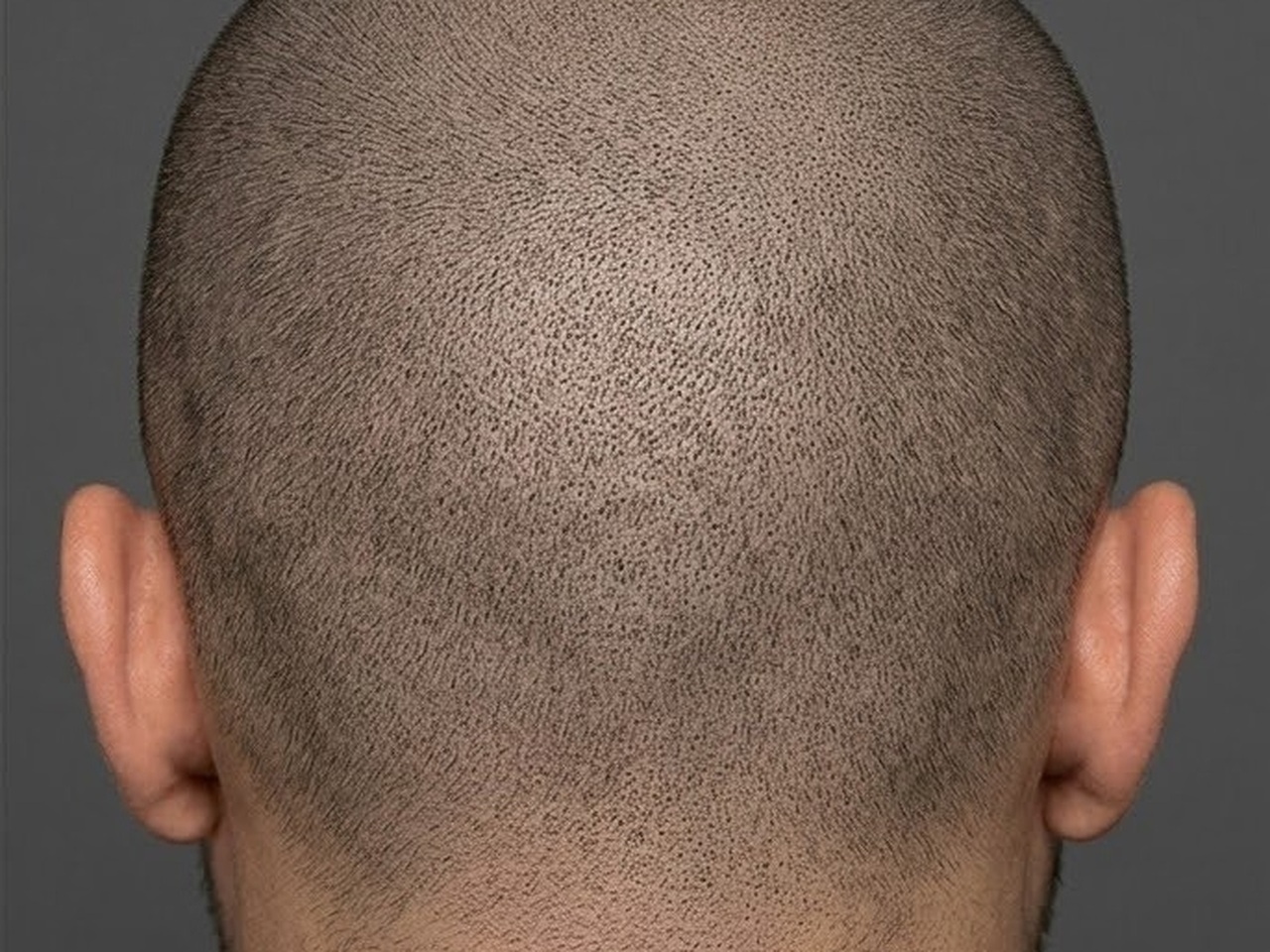
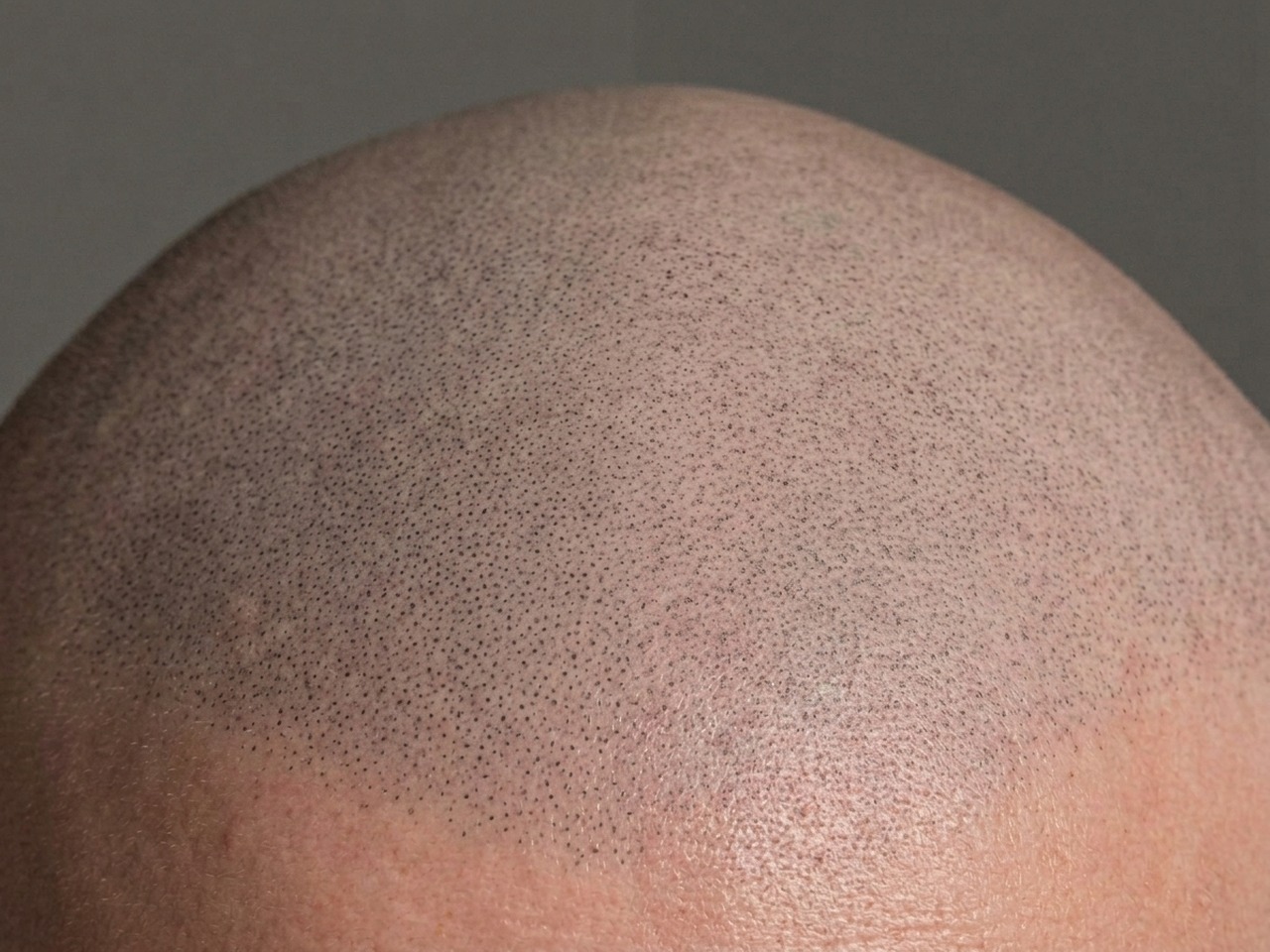
Scar camouflage SMP places pigment into and around scar tissue so the scar's colour and texture stop contrasting with the surrounding scalp. It does not remove the scar — it removes the visual break that makes your eye stop there.
It works on FUT strip scars, FUE dot scars, trauma and surgical scars, and burn scars, provided the tissue is fully matured.
Why scar tissue is technically harder
Scar tissue has different collagen structure, different blood supply and unpredictable pigment retention. Some areas absorb heavily, some reject almost entirely, and hypertrophic scars sit raised above the surrounding surface.
The response is a slower, more conservative approach: light passes, generous healing time between sessions, and a plan that assumes two to three sessions minimum for most scars.
- Scars usually need more sessions than non-scarred scalp
- Retention is tested with a small area first where possible
- Raised scars are blended in tone, not flattened
- The surrounding scalp is often treated too, so the transition disappears
Realistic expectations
A well-camouflaged FUT scar becomes invisible at conversation distance with a short haircut. Up close and under direct light, texture may still be detectable — pigment changes colour, not topography. We say this plainly before starting, because a studio promising a total erase is overselling.
Timing
Scar tissue must be fully matured before treatment: generally twelve months after surgery or injury. Treating immature tissue risks poor retention and irritation. If you are unsure, send photos and we will assess during your Los Angeles consultation.
Direct answers
Can SMP hide an FUT strip scar completely?
At conversation distance with short hair, generally yes. Texture may remain visible under direct light at close range.
How long after a transplant can I get scar camouflage?
Usually twelve months, once the tissue has fully matured and settled in colour.
Does scar work hurt more?
Usually less — scar tissue often has reduced sensation. Areas at the scar border can be more sensitive.
How many sessions will my scar need?
Most need two to three. We confirm after testing retention, during your complimentary LA consultation and first session.