The Art of the Perfect Hairline: Mastering Dot Density and Pressure in SMP
Two artists can use identical machines, identical pigment and identical cartridges and produce completely different results. The variable is hand: how densely the impressions are spaced, and how consistently the needle is pressed into skin that changes resistance across the scalp.
This article is about that craft — the part of scalp micropigmentation that cannot be bought.
Density is a gradient, never a grid
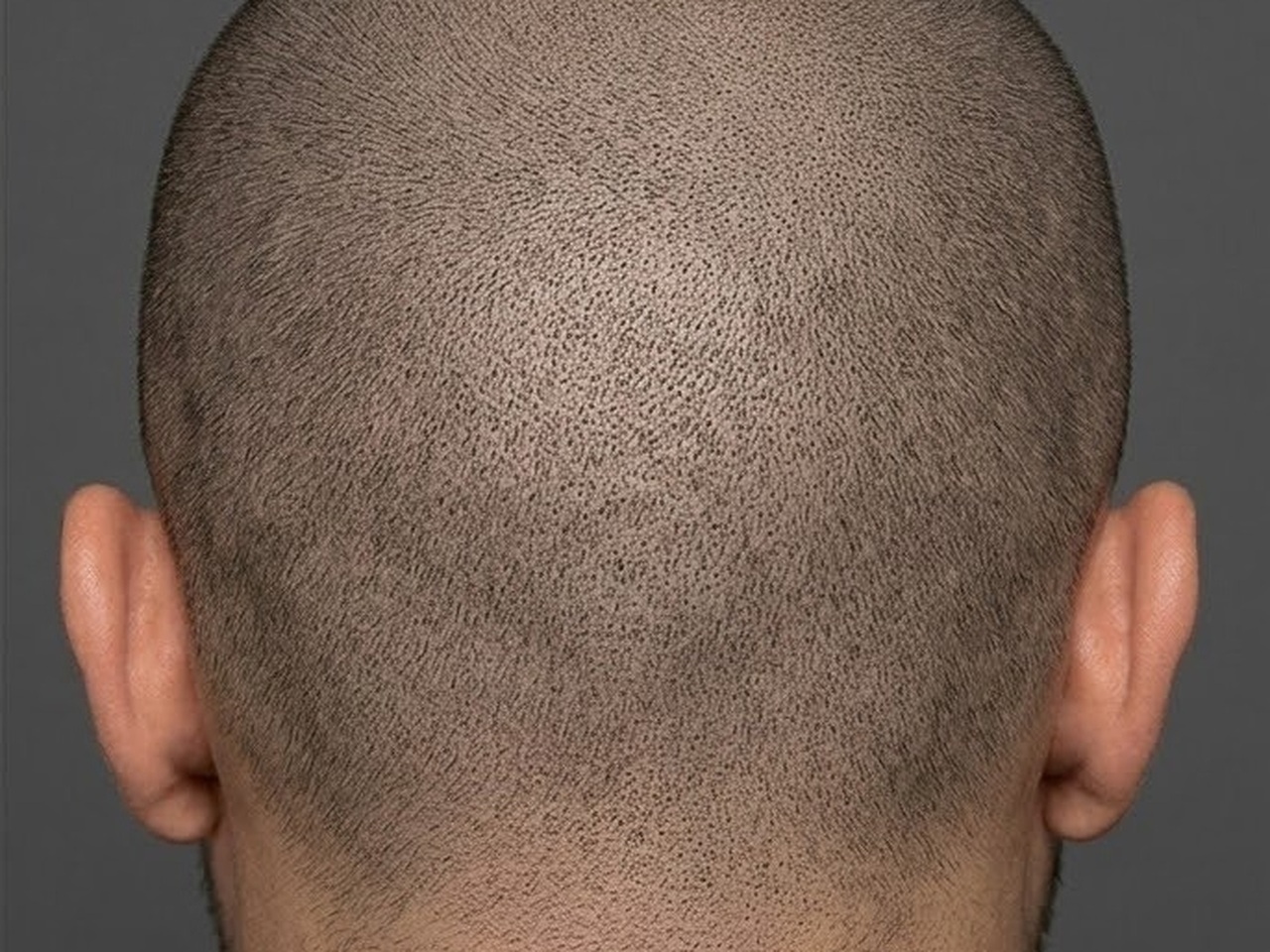
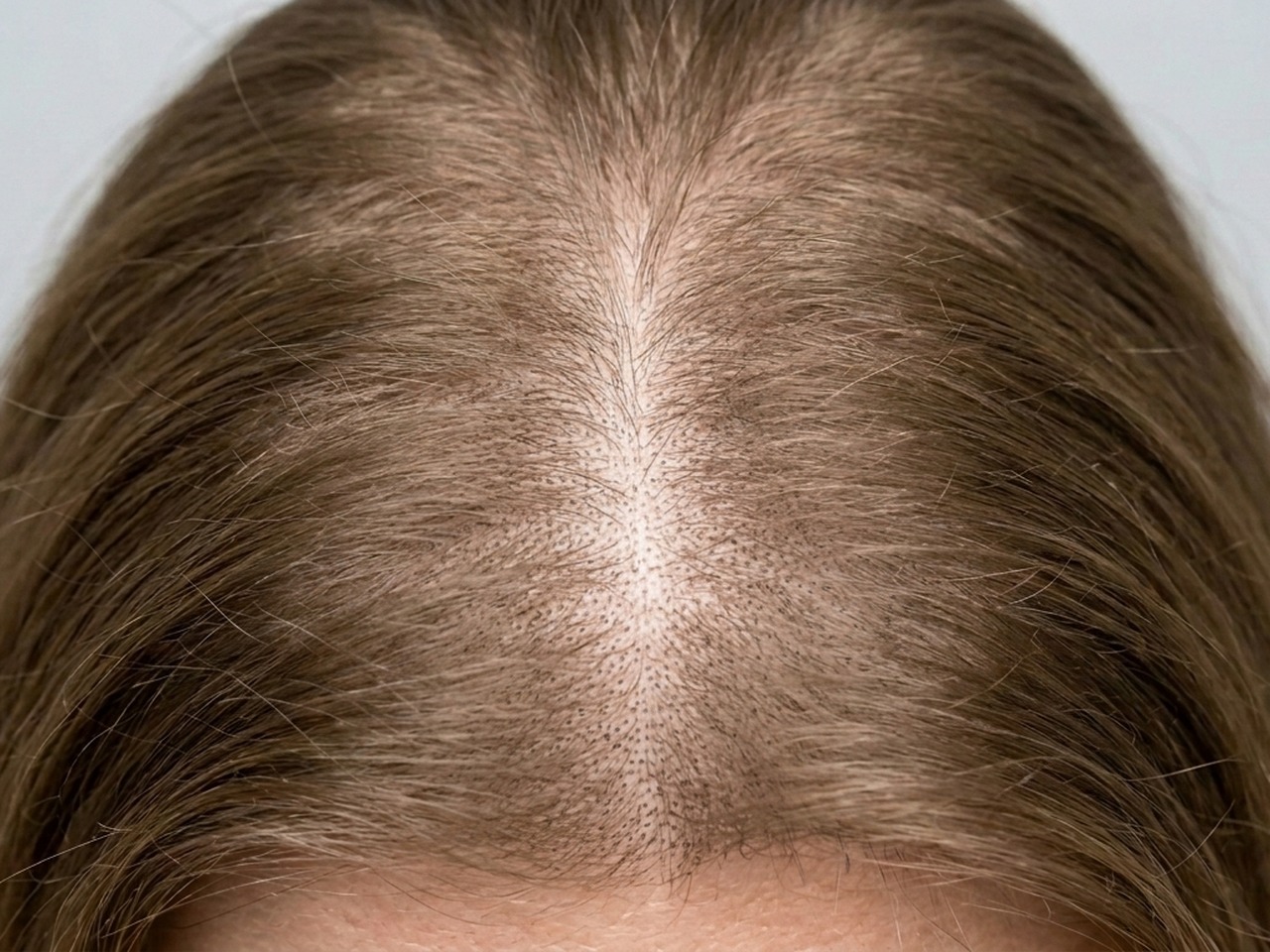
Natural hair does not grow at uniform spacing. It clusters in ones, twos and threes, with gaps, with varied calibre, and with a soft irregular perimeter at the front. SMP has to imitate that statistical messiness deliberately.
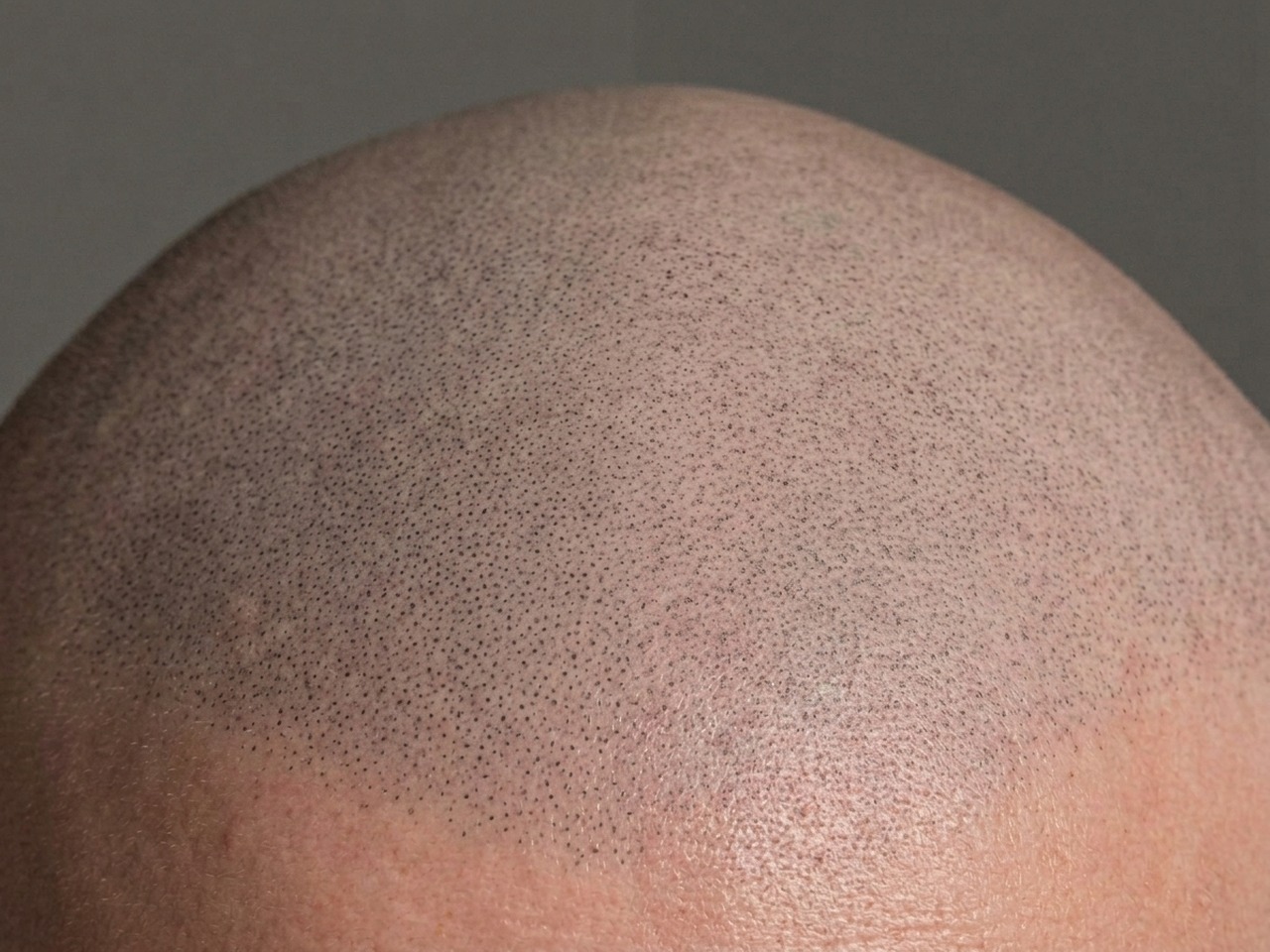
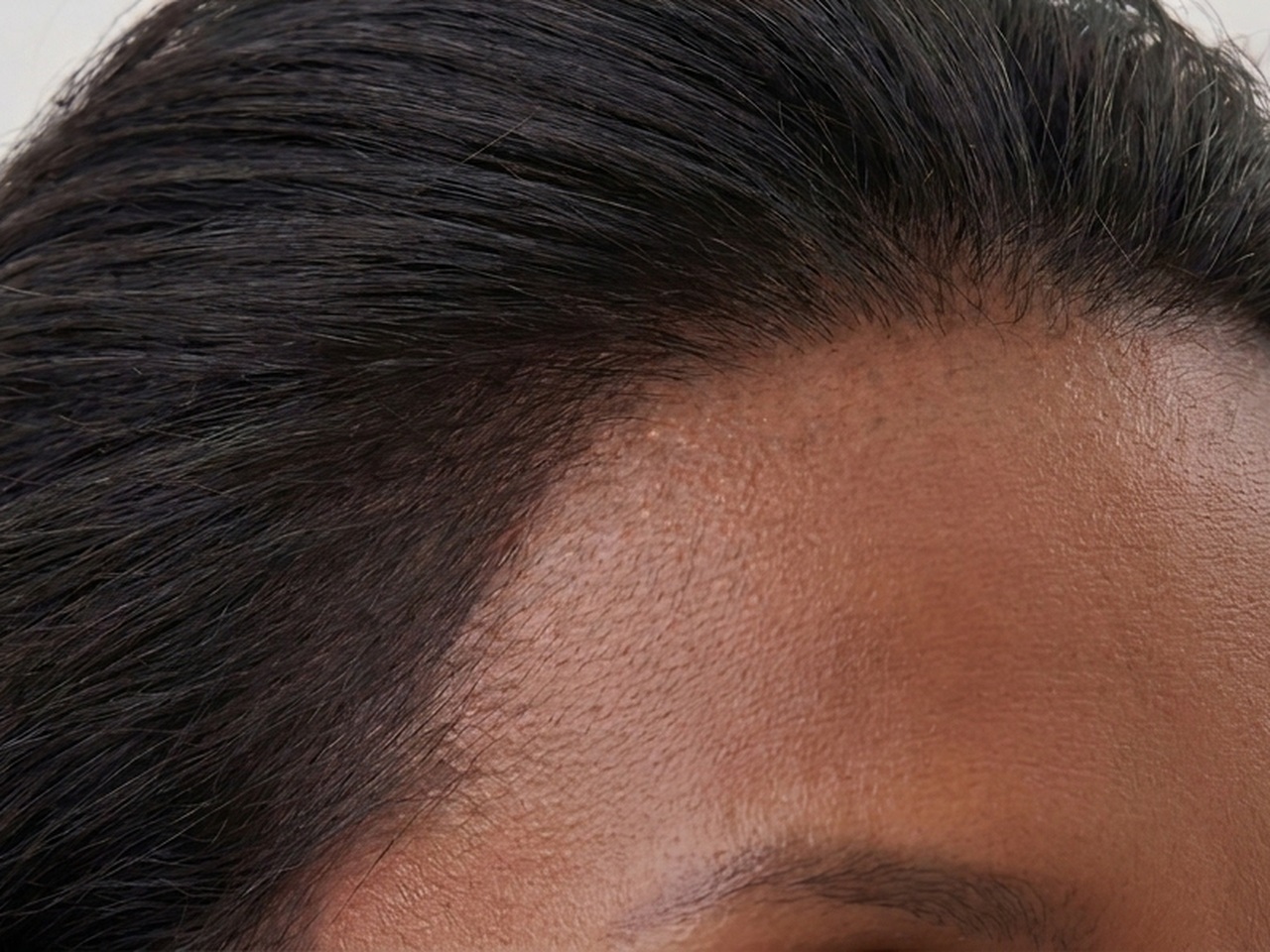
At VOID SMP a hairline is built as a density gradient: sparse, broken and randomised at the leading edge, tightening steadily behind it until it matches the density of the mid-scalp. The eye reads the diffuse front edge as hair emerging from skin. A uniform front edge reads instantly as a drawn line — the single most common giveaway of amateur SMP.
- Randomised spacing so no repeating pattern is visible under scrutiny
- Varied impression size within the same field to imitate follicle calibre
- Angle variation matched to your natural growth direction
- A broken, irregular perimeter rather than a continuous outline
Pressure control and the 3D illusion
Depth determines tone. A slightly deeper impression heals darker and larger; a slightly shallower one heals lighter and finer. Controlled deliberately, that variance produces depth — some impressions read as follicles close to the surface, others as follicles sitting deeper under the skin. That is the entire three-dimensional effect.
Uncontrolled, the same variance produces patchiness: dark clusters, missing areas, and a healed result that looks blotchy in daylight. Pressure consistency is what separates intentional depth from accidental blotching.
Skin resistance changes across your scalp
Skin over the frontal bone is thin and tight. The crown is thicker and more mobile. Scar tissue is dense, uneven and often resists pigment retention entirely. The temples are the most delicate area of all. An artist must adjust pressure and needle depth continuously as the hand moves across these zones, hours into a session, without losing consistency.
How the craft is practised behind the scenes
Skin-resistance feedback is trained on surfaces that behave like skin. Honeydew melon has a firm outer surface with soft give underneath, closely mimicking the thin, tight skin of a frontal hairline. Watermelon rind is denser and springier, closer to crown tissue and scar tissue. Practising density fields and hairline edges across both trains the hand to feel the moment the needle reaches the correct layer, rather than relying on the eye.
Latex practice skins are used for pattern and layout drills, magnified photographs of healed work are reviewed to audit consistency, and refinement sessions between client appointments keep the hand calibrated. None of this shows up in a portfolio — but every hairline depends on it.
- Honeydew melon — thin, tight surface tension, simulates the frontal hairline
- Watermelon rind — denser, springier resistance, simulates crown and scar tissue
- Latex practice skins — hairline layout, spacing drills and gradient control
- Magnified healed-result reviews — auditing spacing and tone months after treatment
How to judge an artist's density work
- Ask for healed photographs at 12 months, not day-of-session photos
- Zoom into the hairline edge — you should see irregular impressions, not a line
- Check the temple corners, where poor angle matching shows first
- Look at the work in daylight, indoor LED and dim light: bad SMP gives itself away in at least one of the three
Direct answers
Does SMP look 3D?
Yes, when density and pressure are controlled correctly. Deliberate variation in impression depth, size and angle makes some points read as follicles near the surface and others as follicles sitting deeper, which the eye interprets as three-dimensional hair rather than a flat printed pattern. A flat or blotchy look comes from uniform spacing and inconsistent pressure.
How do SMP artists practice?
SMP artists train on surfaces that replicate skin resistance. At VOID SMP that includes honeydew melon, whose thin, tight surface mimics the frontal hairline, and watermelon rind, whose denser springiness is closer to crown and scar tissue. Latex practice skins are used for hairline layout and spacing drills, and magnified photographs of healed client work are reviewed to audit long-term consistency.
What makes an SMP hairline look natural?
An irregular, broken perimeter, randomised spacing, varied impression size, angle matching to natural growth direction, and a density gradient that thins toward the front. A uniform, sharply outlined hairline is the clearest sign of inexperienced work.