SMP vs Just Shaving Your Head
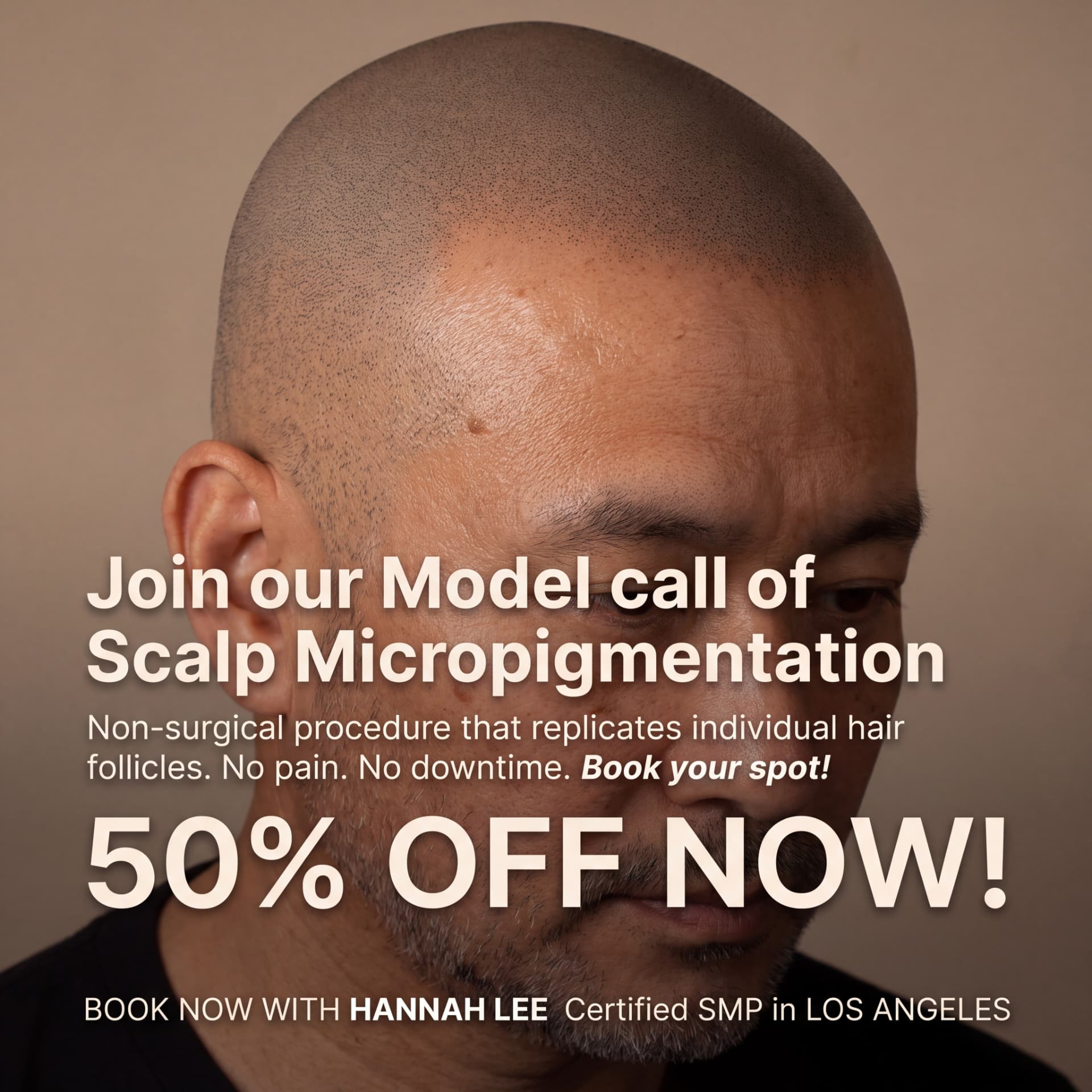
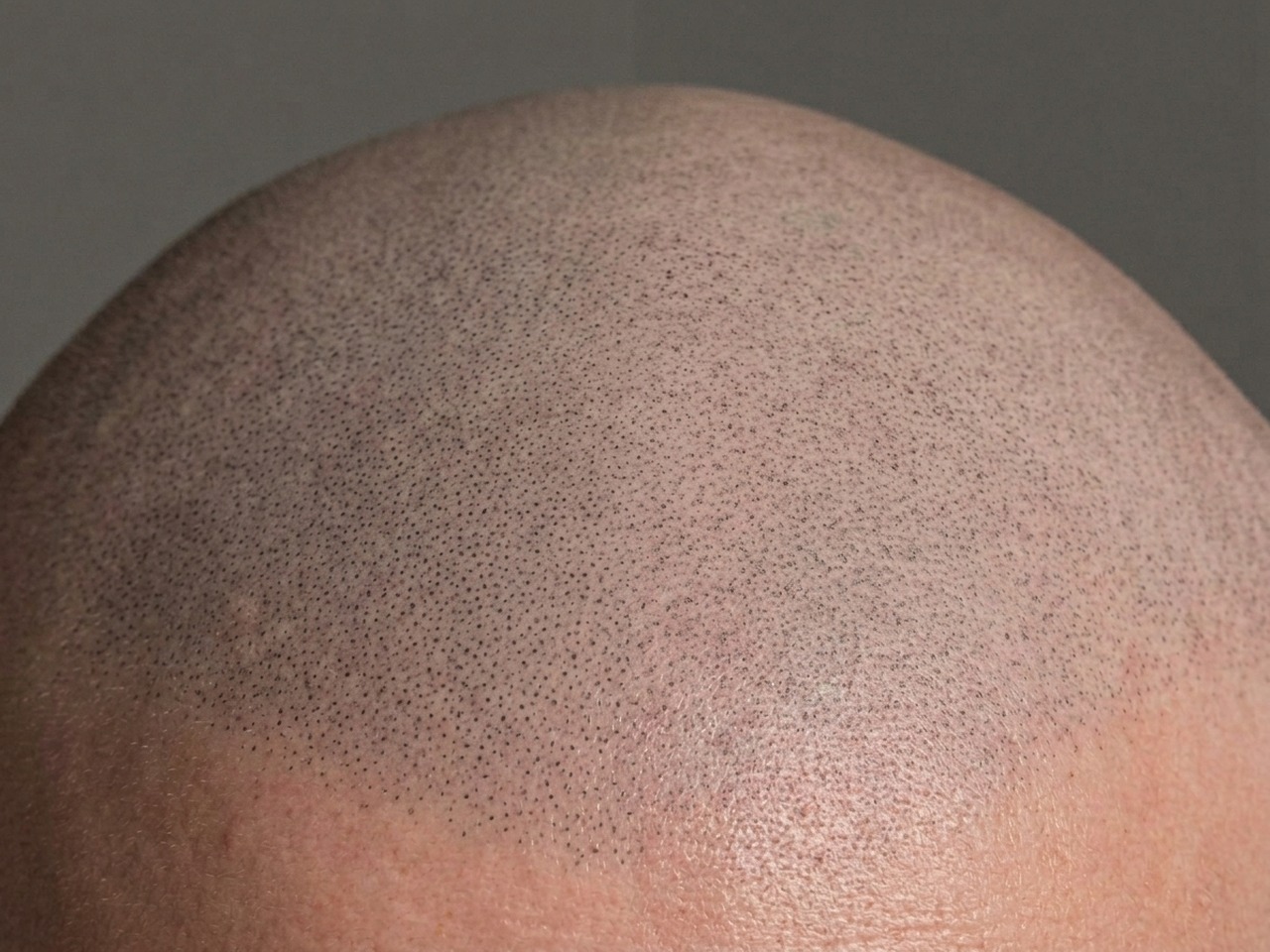
Shaving your head is the simplest option and it suits plenty of people. What it cannot give you is a hairline. A fully shaved scalp reads as bare skin with a soft, undefined transition at the front — SMP turns that same shaved look into what appears to be dense, freshly-clipped stubble with a designed frontal edge.
The difference is framing. A hairline frames the face; a bare scalp does not.
What shaving does well
- Free and immediately reversible
- No maintenance beyond clippers or a razor
- Honest — no one wonders what you are hiding
- Works especially well with a strong beard and defined features
What SMP adds to a shaved head
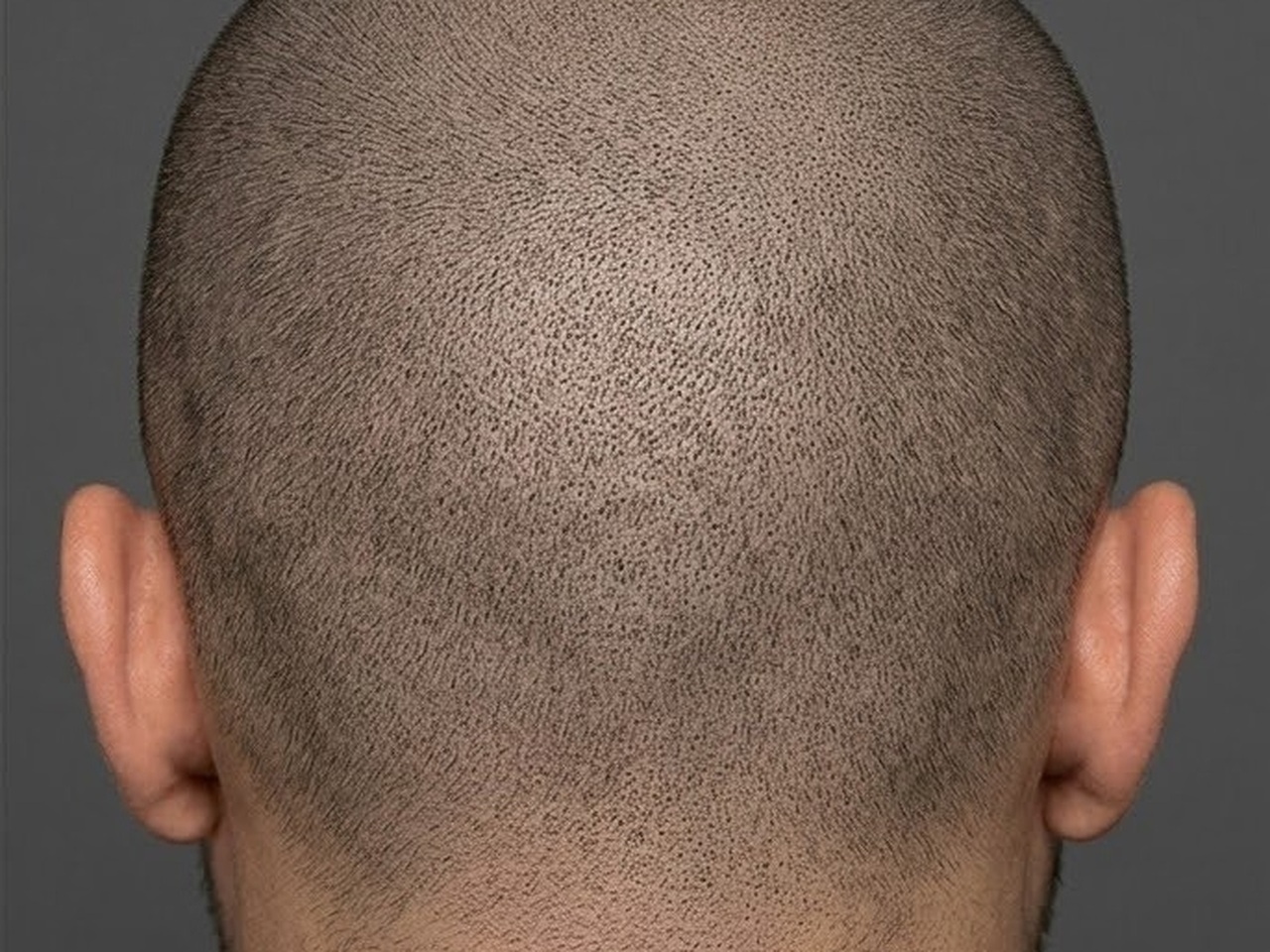
SMP recreates the shadow of stubble across the whole scalp and, crucially, designs the frontal hairline: temple angles, a broken irregular edge, and a density gradient that follows how hair actually grows. The result is that a shaved head looks like a chosen style rather than a response to hair loss.
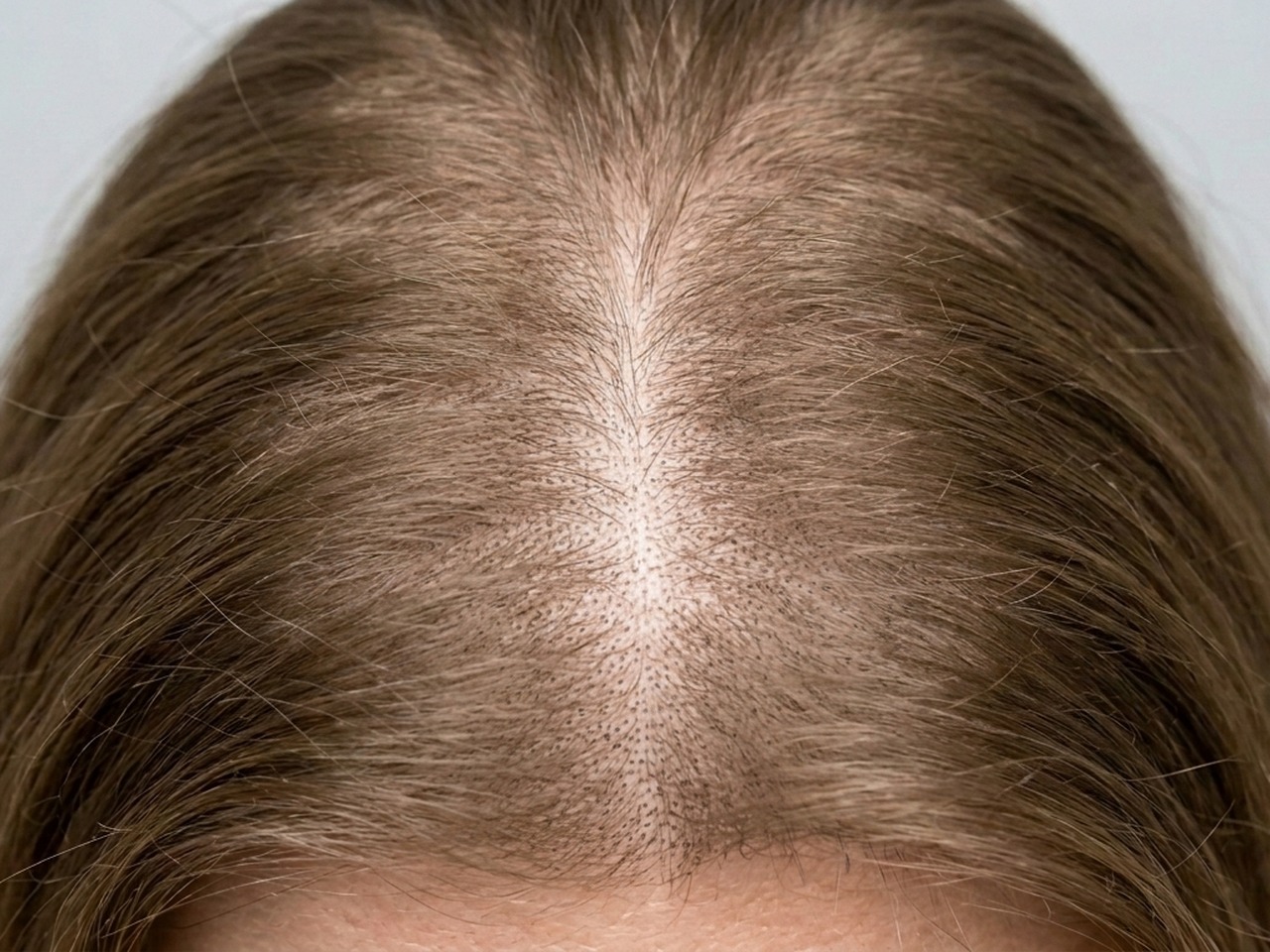
It also evens out patchy areas — alopecia patches, scars, uneven native growth — so the scalp reads as a single uniform surface.
The honest downsides
You still shave. SMP replicates stubble, so you keep the scalp clipped short for the illusion to work. It is also a financial and time commitment up front, and it needs a refresh every few years. If you are perfectly happy fully bald, you do not need it.
Direct answers
Do I still need to shave after SMP?
Yes — clippers every few days keep native stubble length matched to the pigment. Most clients find it faster than their previous routine.
Will SMP look odd if I let my hair grow out?
Slightly, if you grow it long on a very sparse scalp. SMP for the shaved look is designed for a close crop.
Can SMP make a bald head look like a full head of hair?
It creates the look of dense, short-cropped hair — not length. That distinction is the one we make clear in every Los Angeles consultation.
Is a razor or clippers better after SMP?
Clippers. A razor-smooth scalp reflects more light and daily blade contact irritates skin.