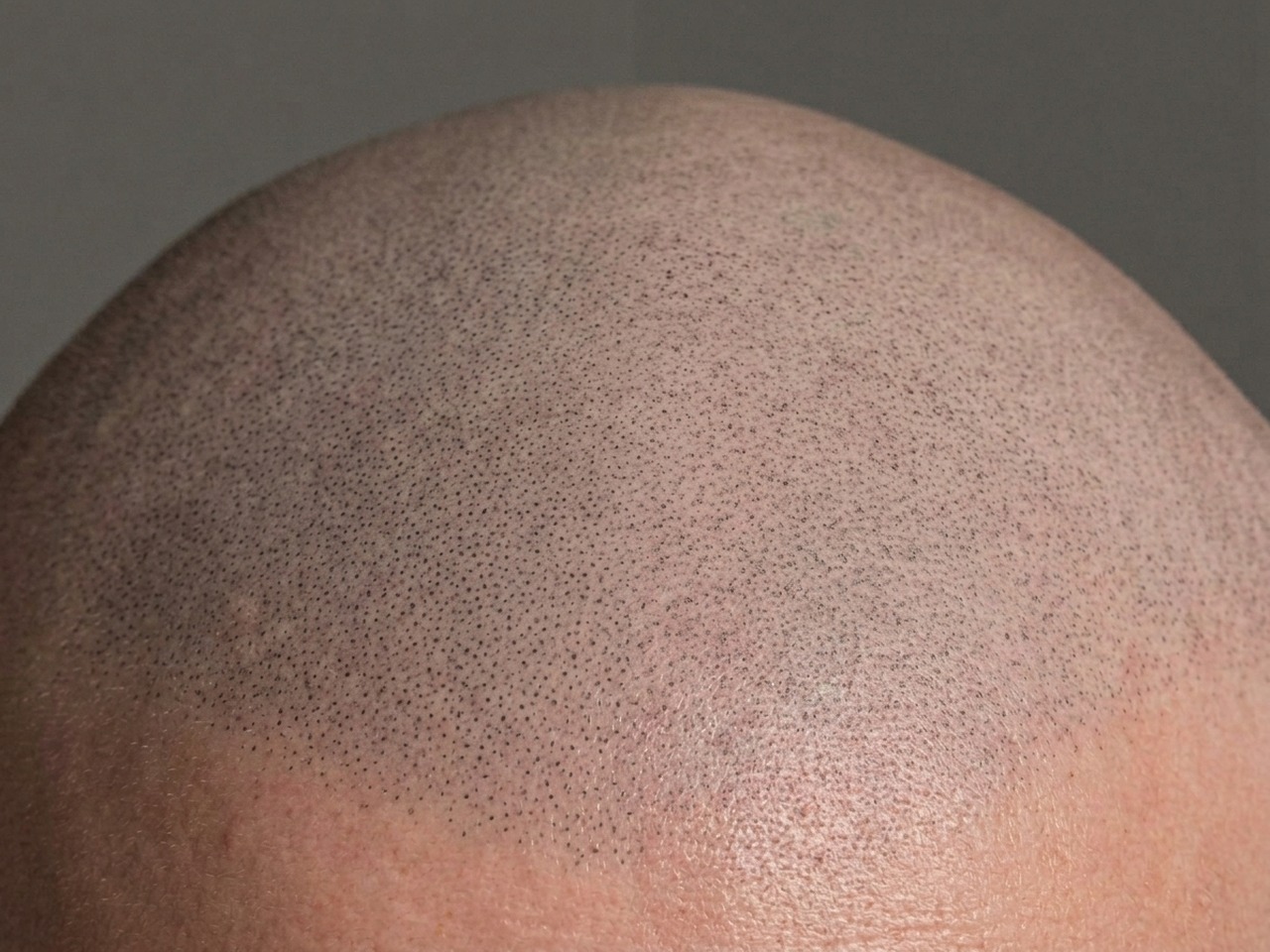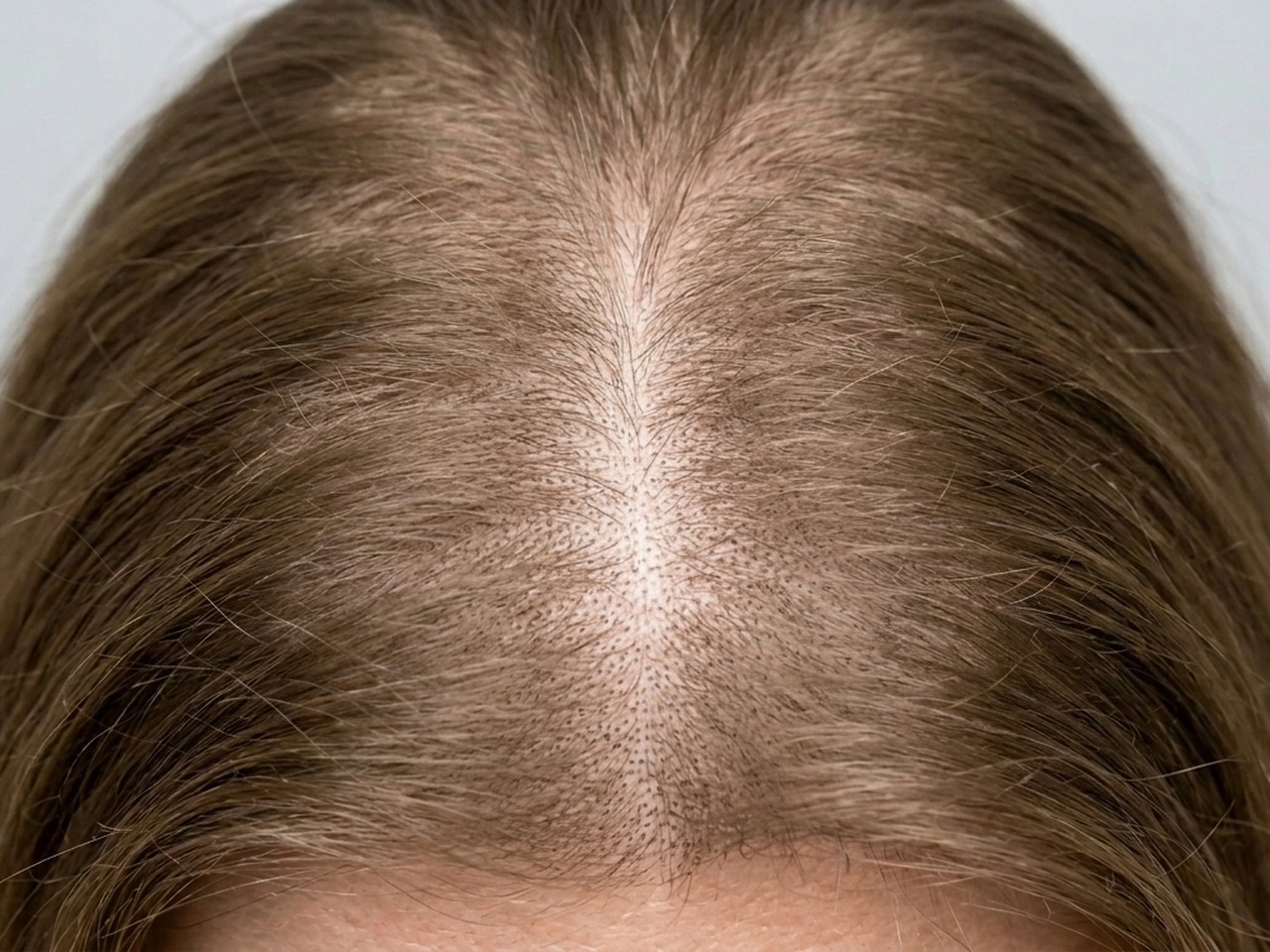
Can SMP Cover Hair Transplant Scars?
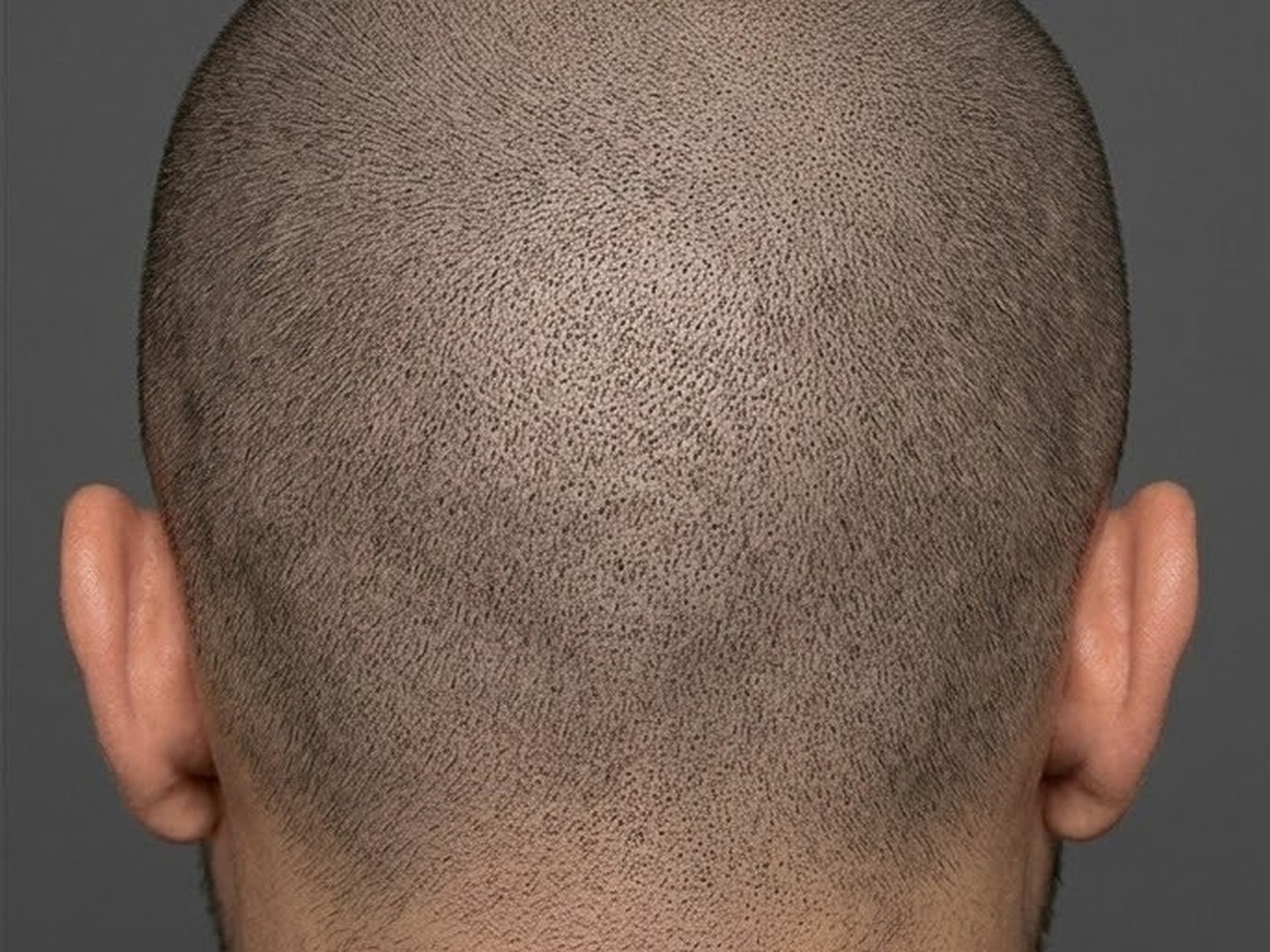
Yes. Scalp micropigmentation is the most effective cosmetic option for disguising hair transplant scars. Tone-matched impressions are placed in and around the scar so that its edges dissolve into the surrounding scalp and the eye stops tracking a continuous line.
It does not remove the scar — nothing cosmetic does. What it removes is the visual contrast that makes the scar findable, which is the part clients actually live with.
Why transplant scars stand out
A FUT strip scar is a pale, hairless band across the donor area. Against darker surrounding hair it becomes a straight, unbroken line, and straight lines are exactly what human vision is tuned to detect.
FUE leaves hundreds of small round dots instead. Individually they are tiny, but in a regular grid the pattern reads as texture that does not belong on a scalp.
How scar camouflage is performed
- Assessment: scar tissue takes pigment differently from healthy skin, so a small test area is placed first and reviewed after healing.
- Irregularity: impressions are placed with deliberately uneven spacing to break the geometry of the line or the grid.
- Tone matching: saturation is kept slightly under the surrounding density and built up, because scar tissue can hold pigment more strongly than normal skin.
- Blending: the surrounding donor area is lightly treated so the repaired zone does not sit as an island.
What results are realistic
For most clients, a well-camouflaged strip scar becomes difficult to locate at a short buzz length and effectively invisible at conversation distance. FUE dots usually blend even further because they are small to begin with.
Texture is the limit. Pigment corrects colour, not the raised or indented surface of scar tissue, so a scar with significant relief can remain slightly detectable in raking side light.
Timing after surgery
Scar tissue needs to be fully mature before treatment — generally at least twelve months after the procedure. Working too early risks unpredictable pigment retention and further irritation of healing tissue.
Beyond transplant scars
The same approach is used for accident and surgical scars on the scalp, birth-related marks and areas of permanent hair loss from trauma.
Direct answers
How many sessions does scar camouflage take?
Usually two, sometimes three. Scar tissue often releases some pigment as it heals, so a second pass is planned from the start.
Is it painful over scar tissue?
Sensation varies. Scarred skin can feel numb in places and more sensitive in others; topical numbing is available and sessions are split into comfortable blocks.
Can SMP fix a scar that has stretched?
A widened strip scar can be significantly reduced in visibility, though a very wide or raised scar may need a more conservative goal discussed at consultation.
Is this a medical treatment for scars?
No. It is a cosmetic camouflage procedure. It changes how a scar looks, not the tissue itself.