What is Scalp Micropigmentation? The Ultimate Hair Loss Solution in Los Angeles
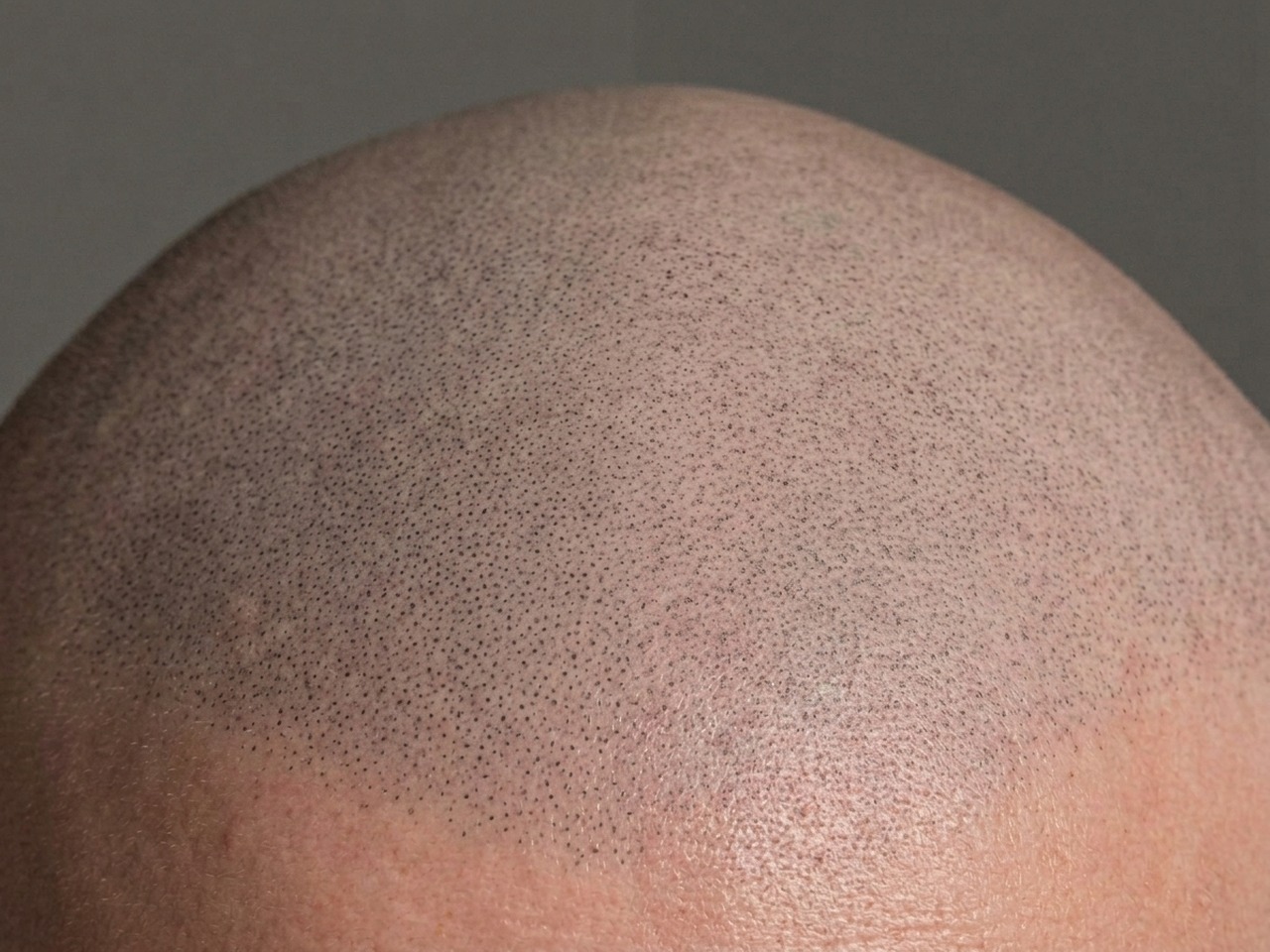
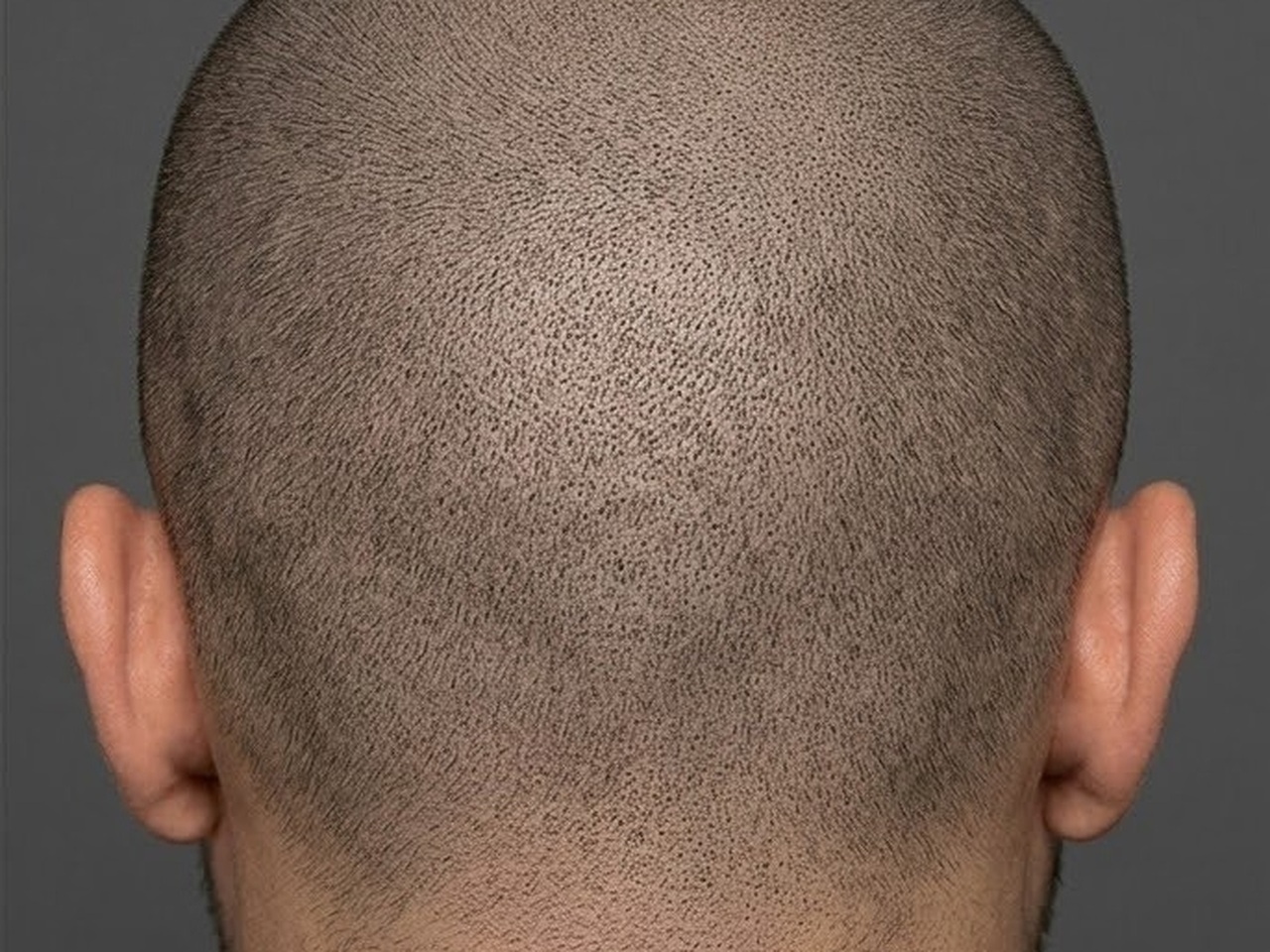
Scalp micropigmentation (SMP) is a non-surgical cosmetic procedure that recreates the look of natural hair follicles by depositing tiny, controlled points of pigment into the upper layer of the scalp. Seen at conversation distance it reads as a clean shadow of shaved hair or as denser hair; seen under magnification it reads as thousands of individually angled impressions.
At VOID SMP in Los Angeles, every treatment is built around two technical variables most studios treat as an afterthought: dot density and pressure control. Those two variables are the difference between a hairline that looks like hair and one that looks like ink.
How scalp micropigmentation actually works
An ultra-fine needle cartridge places pigment at roughly 0.6 to 0.8 mm — the upper dermis — which is significantly shallower than a conventional tattoo. At that depth the pigment stays crisp instead of spreading sideways into a blurred spot, which is why SMP impressions can imitate the diameter of a real follicle.
Density is layered across two to four sessions spaced one to two weeks apart. Building slowly lets the artist read how your skin healed the previous layer and adjust saturation, spacing and shade before committing to the final depth of tone.
- Session length: typically 2–4 hours depending on the treated area
- Sessions required: 2–4 for most clients, 3–4 for full scalp reconstruction
- Downtime: none — light aftercare only, no incisions and no medication
- Suitable for: receding hairlines, crown thinning, diffuse female thinning, alopecia and scar camouflage
SMP versus a hair transplant: an honest comparison
A hair transplant relocates living follicles from a donor area into a thinning area. It is surgery: it needs donor supply, it involves healing time, and its result depends on how much viable hair you still have. SMP adds no hair at all — it removes the contrast between scalp and hair so thinning stops being visible.
Choose a hair transplant when
You want physical hair length you can style, you have strong donor density, and you accept a surgical procedure, a longer healing window and a result that continues to change as native hair loss progresses.
Choose SMP when
You want a defined, immediate result with no surgery, you like a shaved or short crop, you are thinning diffusely, or you need to camouflage FUT/FUE strip scars. Many clients also use SMP after a transplant to add the illusion of density between grafts and to hide donor scarring.
Why dot density and pressure control decide realism
Real hair does not grow in a uniform grid. It grows in irregular clusters with varied depth, size and angle. VOID SMP maps density in gradients — sparser and softer at the frontal edge, progressively tighter behind it — so the border of your hairline is a broken transition rather than a drawn line.
Pressure control is the second half of that equation. Too much pressure drives pigment deeper and the impression blooms into a grey blur over the following months. Too little and the point never retains. Consistent hand pressure across thousands of impressions is what keeps a healed result even.
Who is a good candidate in Los Angeles
- Men with a receding hairline or Norwood 2–7 pattern loss
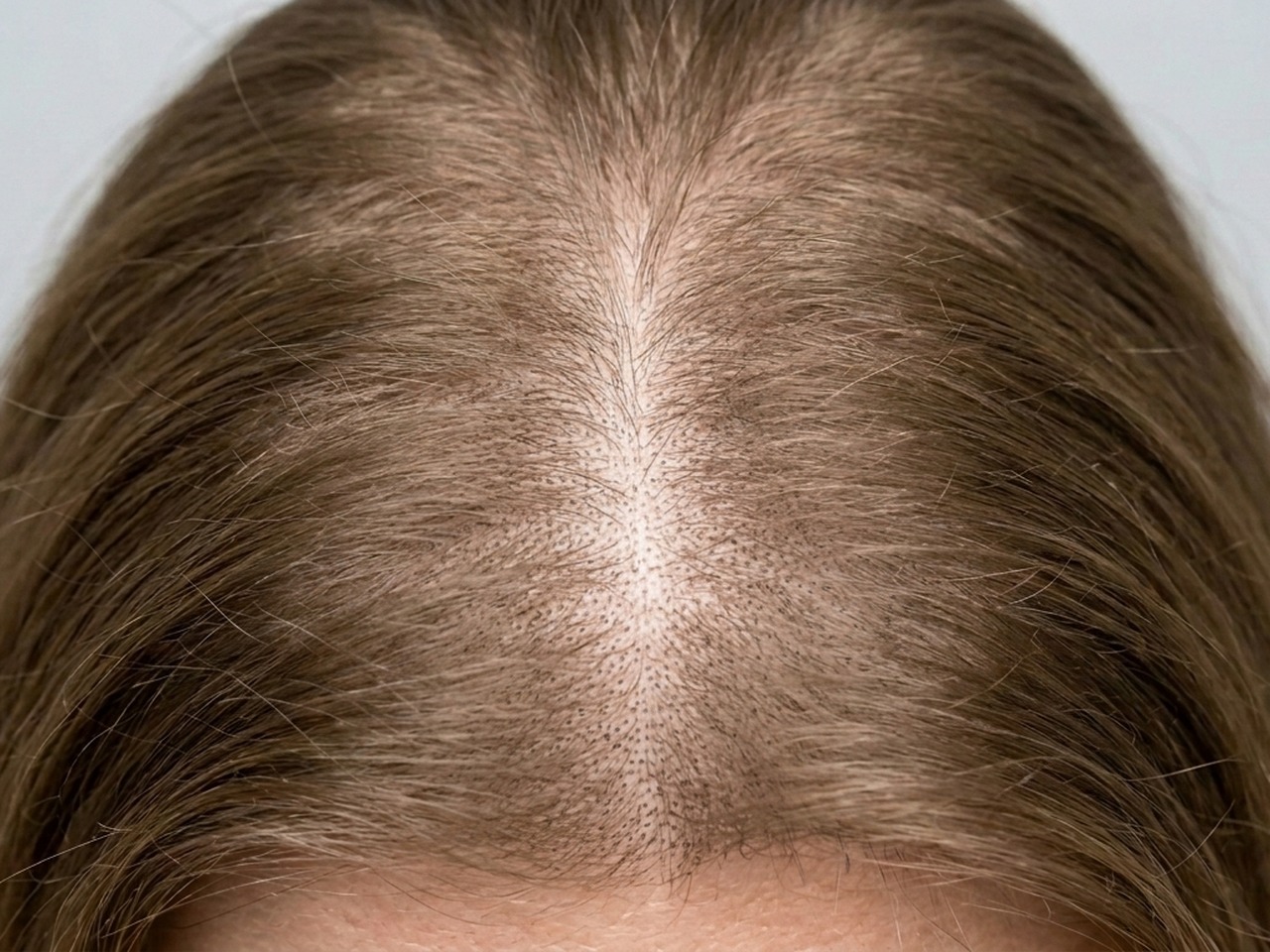
- Women with diffuse thinning or a widening part who do not want to shave
- Clients with alopecia areata, totalis or traction alopecia
- Post-transplant clients with visible donor scarring
- Anyone who wants a defined hairline without surgery or daily concealer
Direct answers
Is SMP a tattoo?
No. SMP uses tattoo-adjacent equipment but it is a different procedure. Pigment is placed at roughly 0.6–0.8 mm in the upper dermis rather than the 1.5–2 mm depth of a body tattoo, the pigment is a carbon-based SMP formulation rather than a coloured tattoo ink, and the goal is a follicle-sized impression rather than a solid line or fill. Because of the shallower depth, SMP softens over years instead of remaining permanent.
How long does SMP last?
Typically four to six years before clients want a refresh. The result does not disappear — it gradually softens in tone. Sun exposure, skin type, skincare with strong exfoliants, and how oily the scalp is all influence the pace. A single short touch-up session restores the original density.
Does SMP hurt?
Most clients rate it 3–4 out of 10, comparable to a light electric tingling, because the needle works at a shallower depth than a tattoo. Sessions are broken into comfortable blocks and topical numbing is available.